Building True Failover at Scale: A T-Mobile & INS Case Study
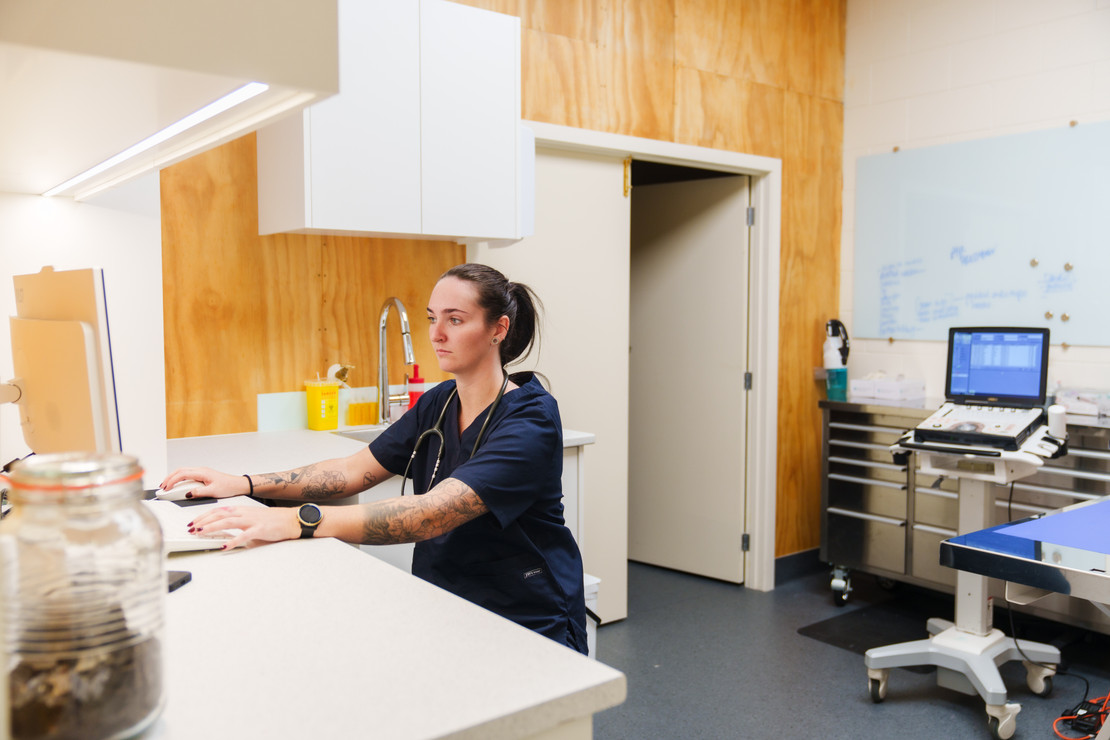
It’s a Tuesday afternoon at one of nearly 900 veterinary clinics scattered across the Northeast: a pet is mid-checkup, the front desk team is juggling calls to book next week’s appointments, and a technician in the back is pulling up lab results that just synced from the cloud. None of it works without the internet connection running in the wiring closet down the hall, and for years, that connection was carrying a risk nobody at the clinic could actually see.
The Hidden Single Point of Failure
This customer had done what most multi-site operators are told to do: get two internet connections into every location, standalone buildings and strip-mall storefronts alike, and call it redundancy.
When our team started digging into how those clinics were actually wired, we found that those “separate” connections were often riding the same last-mile line into the building — the same physical path from the street to the wall, sold by two different providers. If that shared line went down, the backup and primary went down together.
Because their network handles emergency care, medication schedules, and appointment volume across hundreds of locations, that lack of failover was a huge risk.
Building Real Redundancy on the T-Mobile Network
Our team designed a cellular diversification strategy on the T-Mobile network, a failover path that didn’t share a single foot of infrastructure with the wired primary connection. While straightforward as a concept, making that hold true at nearly 900 different addresses is an entirely different challenge.
Signal strength can swing wildly from one storefront to the next, sometimes just a few doors down. Before any hardware went in anywhere, our team ran a site survey at every single location to find the strongest, most reliable connection point inside that specific building and identified where a high-gain antenna would best fit.
Then came the install — mounting and configuring the cellular gateway, provisioning the SIM, and wiring it into the clinic’s existing network and switching gear. We didn’t rip-and-replace or provide a new system for the staff to learn overnight; we just provided a connection built to hold when the primary line doesn’t.
Need a full-service connectivity provider like this? Let’s talk!

Scaling Project Management Across Hundreds of Sites
An additional difficulty INS navigated throughout the life of this project: the customer wasn’t rolling out new connectivity in isolation.
Across those same nearly 900 locations, at the same time, they were also migrating their entire VoIP phone system. That means two mission-critical systems were changing at once, with no acceptable window for downtime on either one.
What kept the project moving? Our Lenexa-based team runs biweekly calls with the clinic’s IT staff and the T-Mobile team, tracking every installation and flagging issues while they’re still small. That cadence is what allowed two major transitions to move forward side-by-side instead of colliding.
Support That Doesn’t Stop at Go-Live
What sets INS apart on a project this size comes down to two things working together.
The first is scale. Our project management team works hand-in-hand with our installation and site survey partners and the carrier itself to keep hundreds of simultaneous deployments moving on schedule. We’ve deliberately built that coordination into projects at this volume.
The second is what happens after the trucks leave. Our Network Operations Center (NOC) runs 24/7, so the clinic’s team has one number to call, day or night, the moment something needs attention. We’re one of the few value-added integrators that carries SOC 2 Type II compliance — an independently audited security certification that matters enormously to any organization handling sensitive data.
As of today, we’ve deployed more than 500 of the 900 planned locations, and we can count on one hand the number of sites that didn’t meet the IT team’s pass/fail criteria on the first attempt. Here’s why that matters: a veterinary clinic’s job is caring for animals, not running a network. We’re able to act as a trusted extension of their IT infrastructure, so their team can stay focused on the job at hand — confident that somewhere behind the scenes, the connection is holding.
Ready to close the gap in your network’s redundancy? Talk to an INS connectivity specialist →
FAQs
What does "true redundancy" mean for multi-site connectivity?
True redundancy means a backup connection doesn't share physical infrastructure — like the same last-mile line — with the primary connection. If both paths run through the same physical line, a single failure can take down both connections at once.
Why use a cellular network for failover instead of a second wired line?
Cellular connectivity, like the T-Mobile network used in this deployment, runs on infrastructure that's physically independent from wired last-mile connections, making it a genuinely separate failover path rather than a duplicate of the same risk.
How does INS handle deployments across hundreds of locations?
Through dedicated project management, individual site surveys at every location, coordinated installation teams, and regular status calls with the client and carrier partner throughout the rollout.
What happens after installation is complete?
Ongoing support runs through INS's 24/7 Network Operations Center (NOC), giving clients a single point of contact for any post-deployment issues.
Is INS's process secure enough for regulated or sensitive data environments?
INS is SOC 2 Type II compliant — a stringent, independently audited security certification, and one of the differentiators that sets INS apart from other integrators in the space.
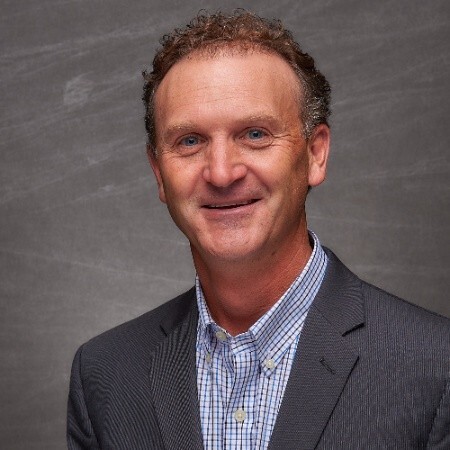 |
About the AuthorJohn Schissel, Vice President of Carrier Engagement and Business Development John Schissel is Vice President of Carrier Engagement and Business Development at Industrial Networking Solutions, where he leads INS's partnerships with major carriers to source, configure, and support large-scale device deployments for enterprise customers. He joined INS through its 2025 acquisition of Source Inc., where he spent roughly two decades as President before the companies came together. Earlier in his career, he spent six years in sales roles at Sprint. He attended Westminster College in Missouri.
|