How INS Works With Integrator Partners in Oil, Gas, and Chemical Manufacturing
Adam Daniel, Networking Product Director at INS | March 16, 2026
In large downstream operations (refineries, chemical plants, LNG facilities, or NGL plants), smooth integration between control networks is critical. Part of our job at INS is to help partners improve integration so that a plant’s networked systems can work together more effectively, from production to safety. This guide serves as a breakdown of how we partner with integrators and why it matters for these complex environments.
Visualizing the Networks
Most downstream plants operate with five main control networks, each managed by specialized integration partners.
Distributed Control System (DCS)
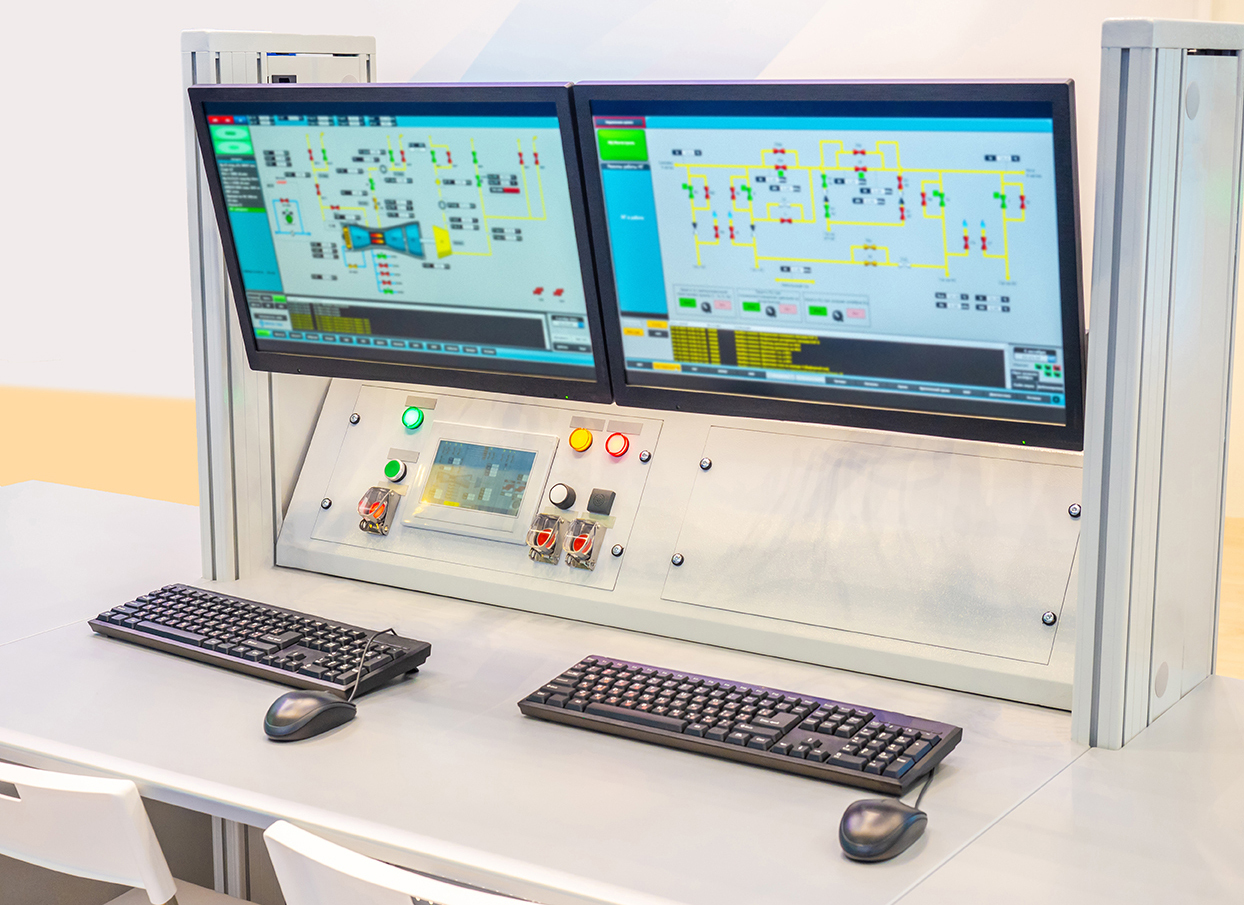
The DCS is the heart of the plant. It manages feedstock input, production processes, and end-product output, whether that’s plastics, chemicals, rubber, or pharmaceuticals. DCS integrators ensure the plant operates efficiently and safely at every stage of production.
Programmable Logic Controller (PLC)
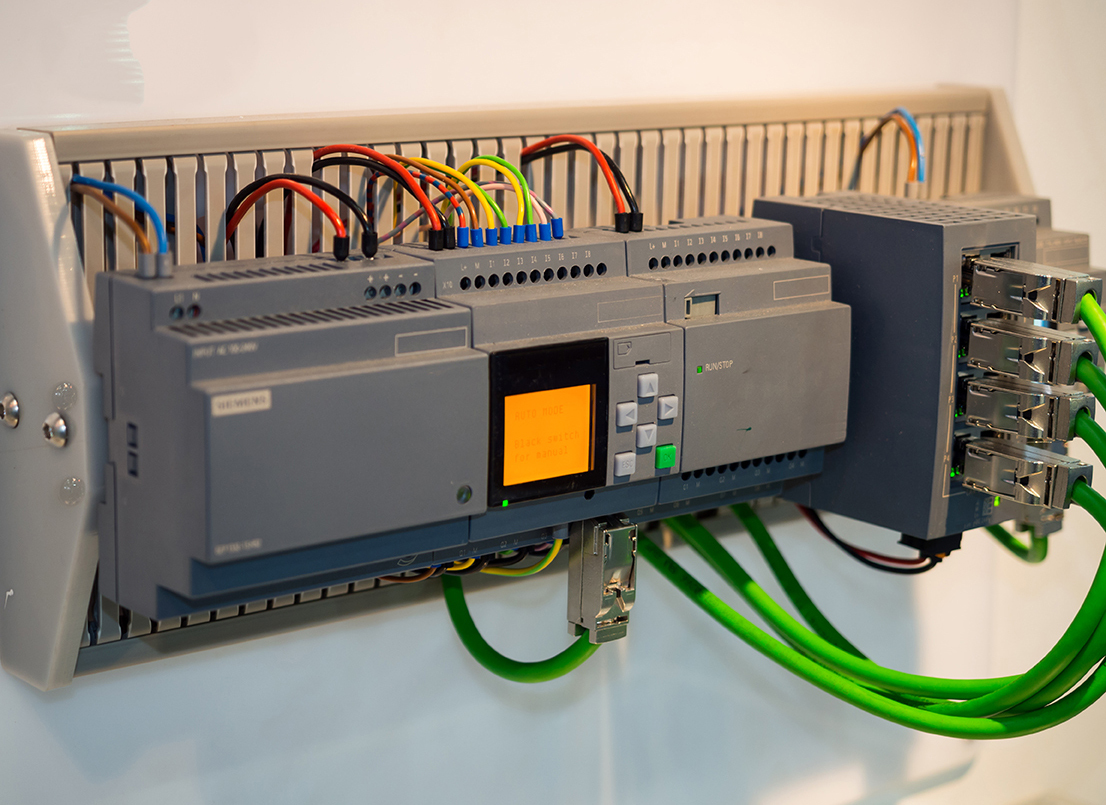
PLCs are used for specific equipment within the plant, like mixers or chemical processors. These networks connect back to the DCS, ensuring that each piece of machinery communicates correctly with the main production system. PLC integrators bring specialized knowledge of these machines and their control systems.
Power Control Management System
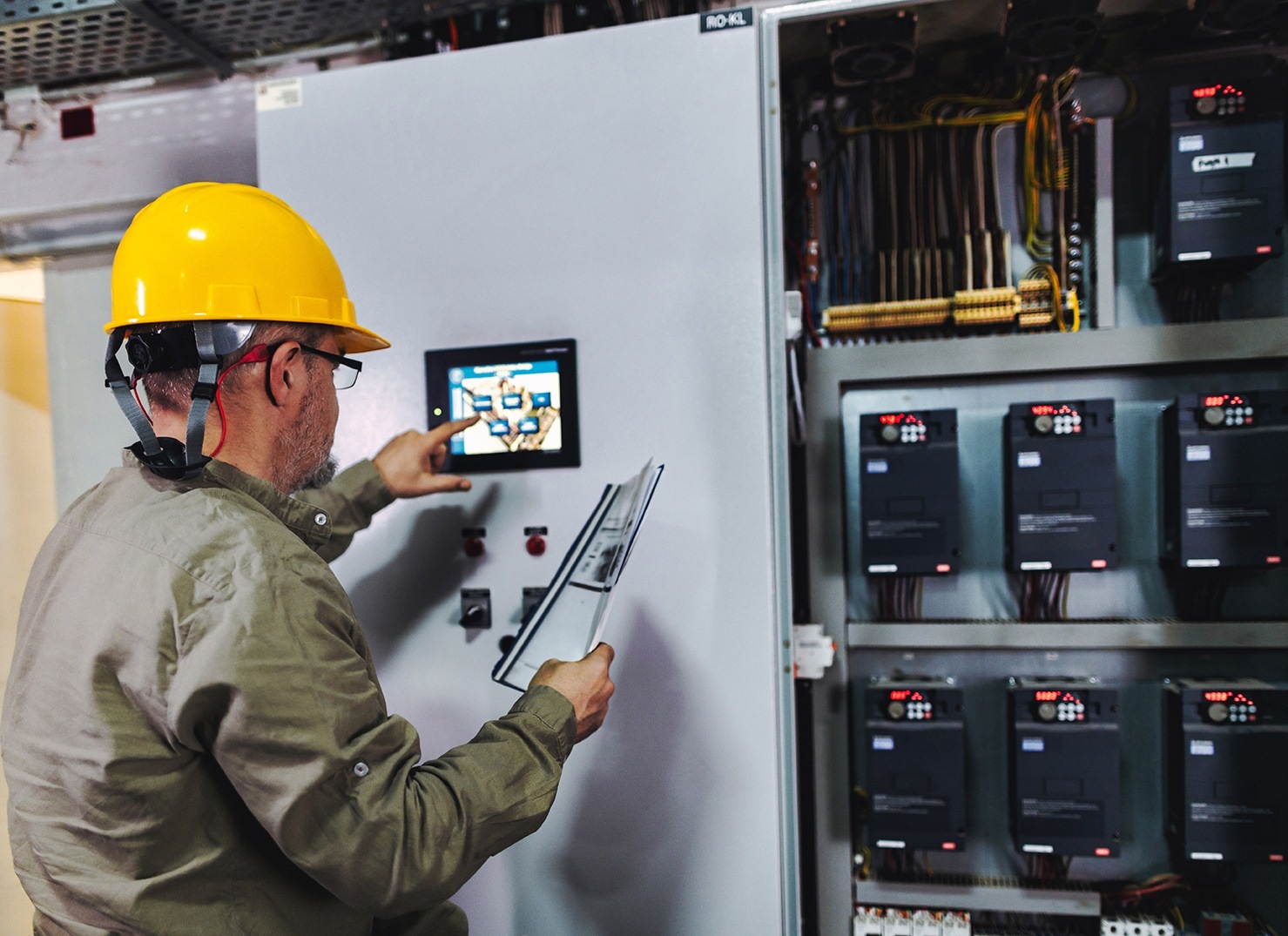
Plants either draw power from the grid or generate their own. This network manages incoming power, onsite generation, and even the sale of surplus energy back to the grid. Power network integrators ensure the system is stable, efficient, and connected to other plant operations.
Safety Instrumented System (SIS)
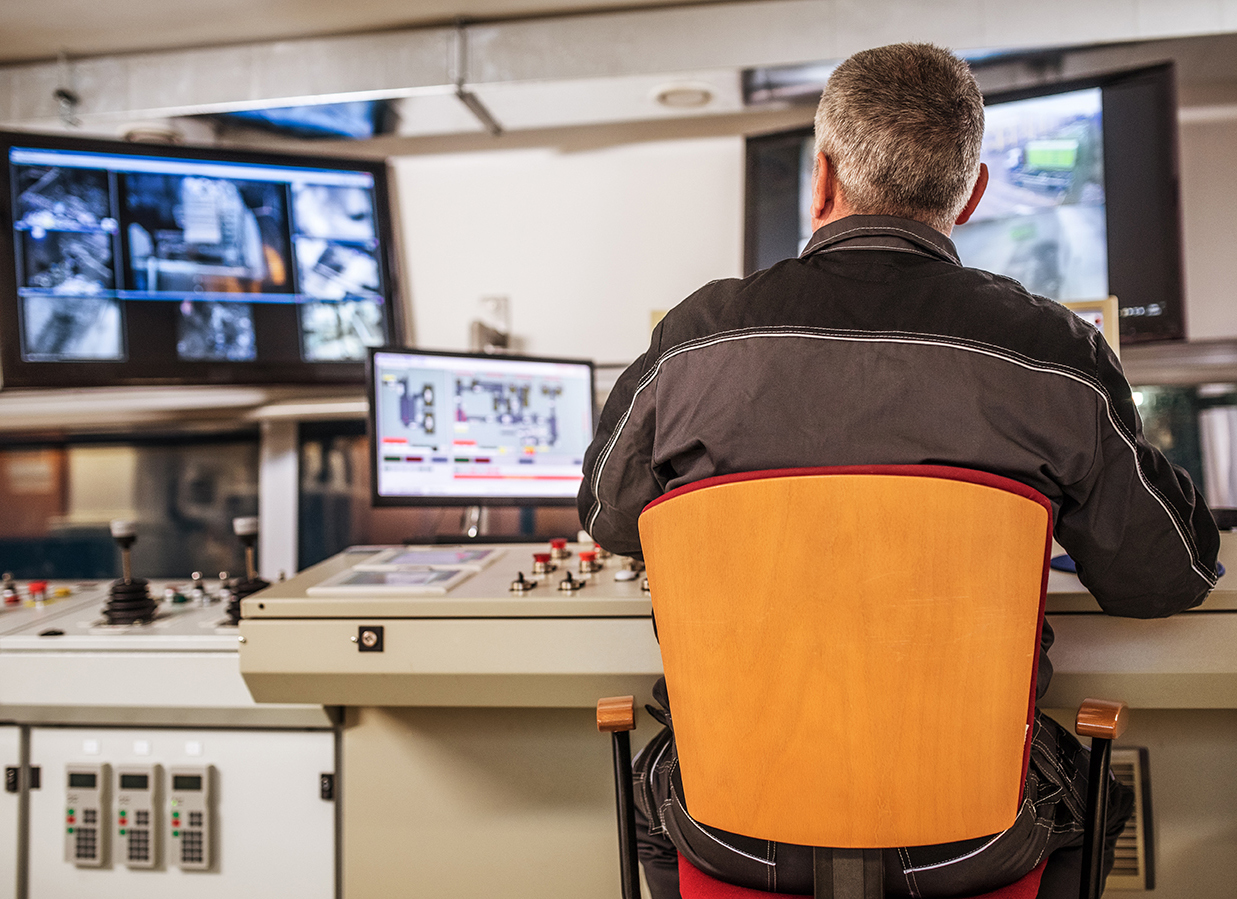
Safety is paramount. SIS networks are designed to reduce the likelihood of escalation by isolating hazards. If something goes wrong (from equipment failure to a potential explosion), the safety system is designed to help contain hazards locally, helping protect the rest of the plant. SIS integrators specialize in maintaining this critical protective layer.
Fire, Alarm, and Gas/Paging (FAGP) System
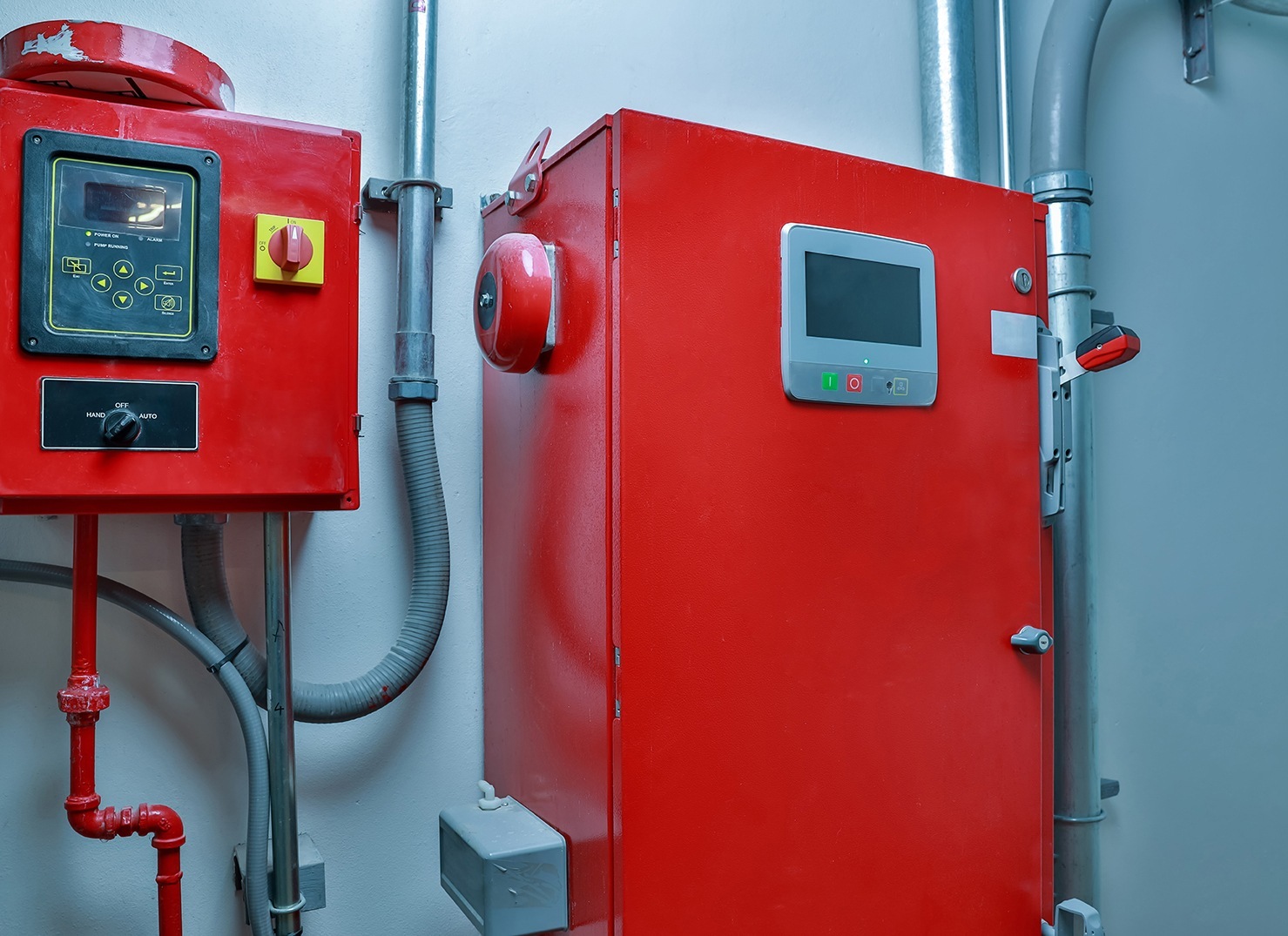
This network supports onsite safety and communications systems—fire control panels, badge access, notification systems, and paging—owned and operated by the facility. FAGP integrators ensure the plant’s emergency systems communicate effectively, keeping employees safe.
How INS Integrates Across Networks
At INS, our role is to connect the dots between the plant’s various networks. Each network, whether it’s DCS, PLC, power, safety, or fire and gas, has its own dedicated integrator with deep expertise. What we do is ride these networks, bridging them so that the systems operate as one cohesive whole.
By integrating across networks, we help downstream operations improve control, visibility, and coordination across complex facilities. It’s this cross-network connectivity that allows the plant, and every partner involved, to function smoothly as a single system.
Integration is more than connecting machines. It’s about helping the plant operate as a unified, safe, and reliable system. INS’s partnership model makes this possible, supporting complex downstream operations every step of the way.
Curious what working with INS looks like for your operations?
Get connected with our team today >>>