Industrial Networking Isn’t Just IT With Hard Hats
Joe Moore, SVP of Sales & Marketing at INS | December 18, 2025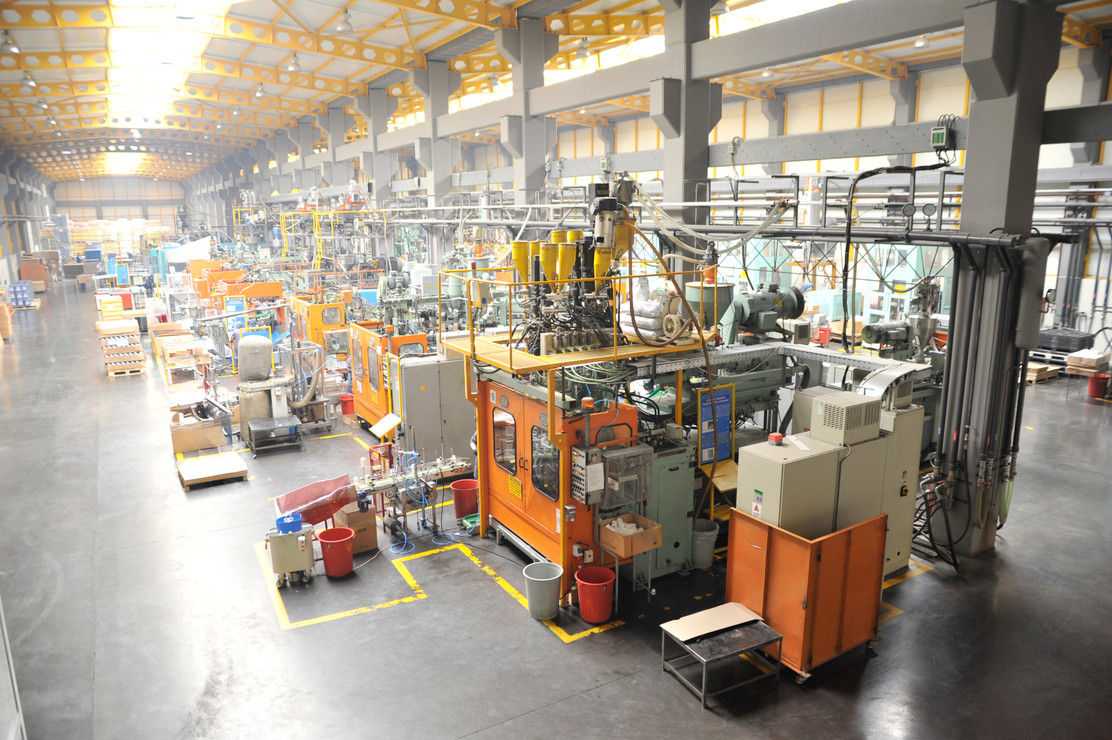
Most people hear “industrial networking” and assume it’s just a tougher version of the office network they use every day. Maybe it’s similar hardware, just sealed in a rugged enclosure. After years of working across manufacturing, energy, transportation, utilities, and more environments than I can count, I can tell you it’s nothing like that. Industrial networking is an entirely different world.
The stakes are higher. The environments are harsher. And the consequences of downtime are far more severe. Industrial networks aren’t about convenience. They’re about keeping production running.
How I Got Here (And How It Shapes My Perspective)
My career started in customer service at a cellular carrier while I was in college. It taught me early that you can’t solve anything unless you understand what someone is actually trying to accomplish.
I later moved into automation, supporting major manufacturers. That’s where I first saw the realities of plant-floor operations: heat, vibration, electrical noise, constant uptime pressure, and equipment that simply cannot fail. After that, I transitioned into industrial Ethernet and physical layer work, which connected everything I’d learned about customers with the technical demands of robust industrial connectivity.
Every step of the way reinforced the same lesson: understand the application first, then design the network around it.
Industrial Networking Is About Production, Not Communication
Enterprise networks are built to keep people connected with each other. Industrial networks are built to keep equipment connected with operations. When an office Wi-Fi network drops, someone loses a conference call. When an industrial network drops, production stops, and the cost can escalate into the hundreds of thousands of dollars per hour.
Industrial systems must handle stresses that simply don’t exist in commercial environments: extreme temperatures, constant movement, electrical noise, large physical footprints, and the expectation that it all runs 24 hours a day. Designing for that reality requires a different mindset and a different approach.
The Real Issue: Customers Think Only About Today
One of the most common challenges I see is a short-term mindset. Customers are under pressure to fix an immediate issue, so they choose a solution solving today’s problem rather than supporting tomorrow’s operation.
The result is predictable: they outgrow the solution long before they expected.
A network built for “right now” can’t support automation expansion, growth in IoT devices, new data requirements, remote operations, or AI-driven processes. If you’re not thinking three to five years ahead, you’re already behind.
Long-term thinking isn’t optional anymore. It’s essential.
What Our Mission Means in Practice
When I talk about INS’s mission—connecting people, data, and operations—it comes down to something simple: we help people do their jobs better.
That may be a production engineer trying to eliminate downtime, a technician who needs real-time data in the field, or even a food cart vendor in New York who literally can’t sell a sandwich without connectivity. The scale and cost look different, but the need is the same.
Everyone depends on a network that works. Our job is to make sure it does.
Why Industrial Network Projects Fail
When an industrial network doesn’t perform, the root cause usually traces back to two factors.
Most often, the issue starts long before hardware is ever ordered.
First, the goals weren’t defined clearly. Without knowing what the application needs to accomplish, it’s impossible to design a network that supports it.
Second, the design didn’t account for the workload the network would eventually carry. A system may function at a small scale but collapse under full operational load.
These failures aren’t technology failures; they’re planning failures. Addressing them starts with understanding the customer’s workflow, not the hardware.
Real-World Examples of Why Planning Matters
I’ve seen what happens when planning is done well, and when it isn’t.
In one case, a global energy producer followed a generic bill of materials recommended by a vendor. The equipment technically worked, but it lacked the certifications required for deployment on their rigs. They had to replace it and start over, at a significant cost. A simple assessment would have prevented that.
At another company, a North American energy producer was facing a massive upgrade across thousands of assets spread over hundreds of miles. They expected the project to take four or five years. INS redesigned their architecture, implemented cellular connectivity, reconfigured devices, deployed hardware, and connected everything in roughly 18 months. What made that possible was a clear understanding of the application, the network demands, and the operational goals.

Enterprise IT Builds Highways. INS Builds Driveways.
That difference in purpose is exactly why enterprise networking concepts don’t always translate well into industrial environments.
Enterprise IT builds highways: large, general-purpose roads designed for broad use. They connect everyone to everything.
INS builds driveways: purpose-built paths designed for the exact type of traffic the customer needs. They’re secure, controlled, consistent, and built around the customer’s workflow.
When reliability matters, purpose-built always wins. And in industrial environments, reliability is the entire game.
What Customers Notice After Deployment
Most people never comment on their home Internet until it stops working. Industrial networking is much the same. But when customers do share feedback, the themes are consistent: projects run smoothly, deployments are professional, value is realized quickly, and performance levels exceed what they experienced before. That consistency is what keeps customers working with INS.
Where the Industry Is Heading
Looking ahead, every industry will place more demands on their network. More sensors, more automation, more remote operations, more real-time insights, and more AI-driven decision-making. The amount of data will grow, the speed of that data will increase, and the impact of downtime will continue to intensify. Companies investing early in the right infrastructure will be the ones prepared for that shift.
How INS Is Preparing for What’s Next
INS is focused on the capabilities every customer will need in the next phase of digital operations. Private cellular, IoT data services, cybersecurity, and deep industry expertise are all areas where we’re continuing to grow and invest. The goal is simple: be ready for the future our customers are moving toward.
What I Tell Every Customer
When it comes to modernizing connectivity, I always tell customers the same three things:
- Think ahead.
- Define what the application needs to accomplish.
- Build a network designed for where your business is going—not just where it is today.
A forward-looking network gives you the flexibility, resilience, and capacity to adapt as your operation changes.
A Final Thought: INS Understands Your Application
 |
If there’s one thing I want people to remember about INS, it’s this: We build networks around your application so your operation can perform at its best. You’re not buying hardware or a bill of materials. You’re gaining a partner who understands the realities of industrial work and designs networks that support it—reliably, securely, and for the long haul. |