
Technologies
Wired Networking Technologies
The Foundation for Reliable, Secure, High-Performance Networks
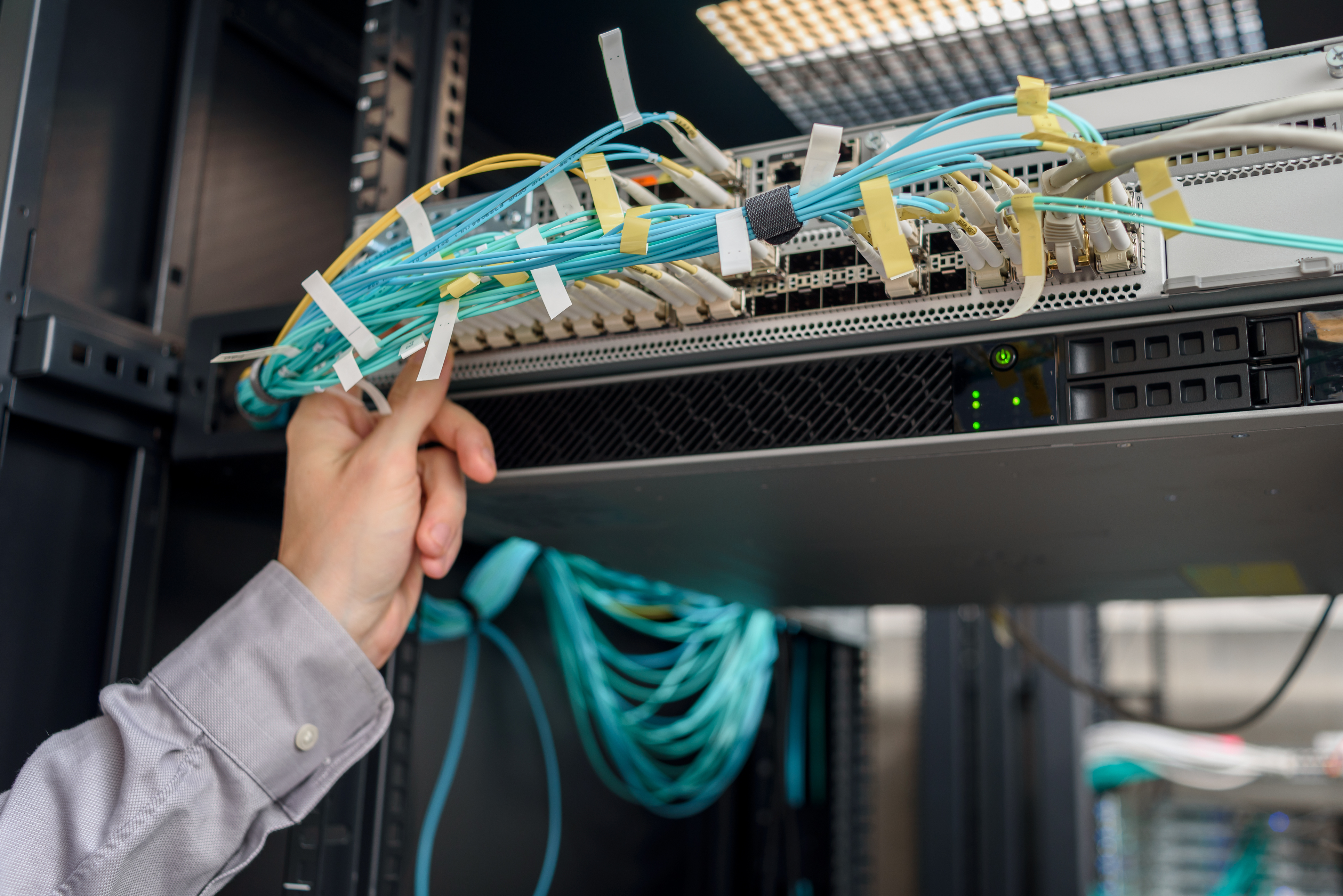
Wired networking technologies form the backbone of enterprise and industrial connectivity. Across production facilities, campuses, data centers, utilities, and logistics environments, wired networks deliver the reliability, performance, and security required to support mission-critical systems, real-time operations, and long-term scalability.
While wireless technologies provide flexibility and mobility, wired infrastructure often remains essential for predictable performance, low latency, and physical control. Structured cabling is core to critical applications that rely on Ethernet communications. Machine-to-machine communication, IP video, and data-intensive software systems all rely on wired networking technologies. Choosing the right wired technologies is a critical step in building a resilient network architecture that supports today’s operations and future growth.
INS helps organizations design, deploy, and support wired networking solutions that align with operational demands, environmental constraints, and long-term digital transformation goals.
Overview of Wired Networking Technologies
Wired networking technologies use copper and fiber cabling to transmit data between devices, systems, and network infrastructure. In enterprise and industrial environments, these technologies provide the stable foundation that supports all other network layers, including wireless access, cloud integration, and edge computing.
Rather than being replaced by wireless, wired networks serve as the core infrastructure that wireless technologies depend on. Structured cabling systems carry Ethernet protocols to wired endpoints that deliver consistent throughput, low latency, and controlled security boundaries that are difficult to achieve with wireless alone.
Key advantages of wired networking include reliability, predictable performance, enhanced security through physical access control, and the ability to scale bandwidth as applications evolve. For environments where uptime, determinism, and data integrity matter, wired networks remain indispensable.
Core Wired Networking Technologies
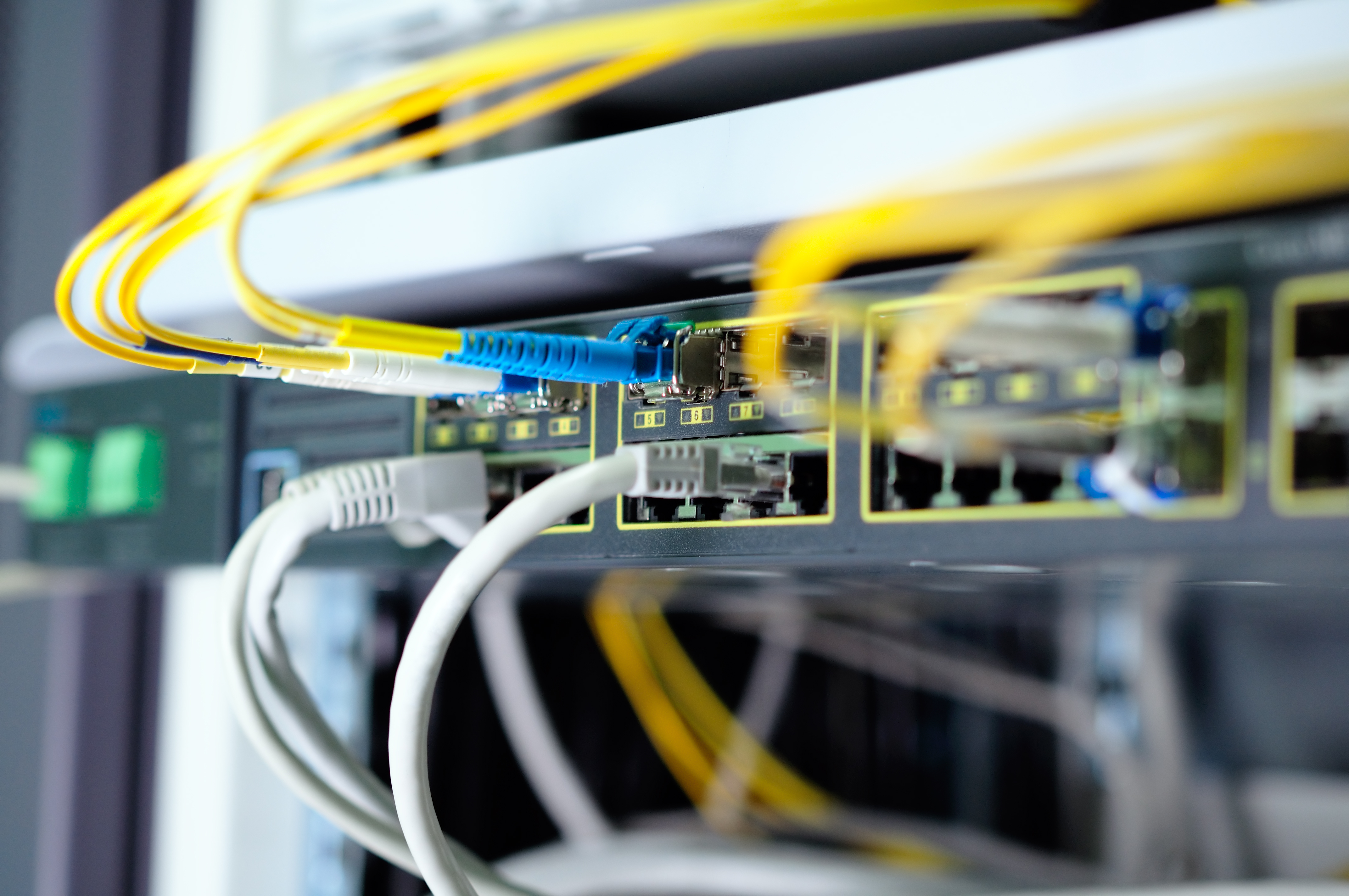
INS supports a range of wired networking technologies, each designed to address specific operational needs and use cases. Together, these technologies form the foundation of modern enterprise and industrial networks.
Industrial Ethernet
Industrial Ethernet provides a hardened, standards-based network backbone engineered for demanding environments. It supports real-time control systems, automation, and data exchange across facilities while withstanding heat, vibration, electrical noise, and other industrial stressors.
Explore Industrial Ethernet solutions
Explore Industrial Ethernet solutions
Industrial IP Video
IP video systems transmit high-resolution video over Ethernet networks, enabling surveillance, situational awareness, and process visibility across facilities. Designed for enterprise and industrial environments, these systems integrate tightly with network infrastructure to deliver scalable, reliable video data.
Learn more about Industrial IP Video
Learn more about Industrial IP Video
IP KVM & Remote Console Extension
IP KVM technology allows keyboard, video, and mouse signals to be extended over the network, enabling secure, remote control of servers, workstations, and control systems. This reduces the need for physical access while improving operational efficiency and safety.
Discover IP KVM & Remote Console Extension
Discover IP KVM & Remote Console Extension
Cable, Connectivity & Network Hardware
Structured cabling, connectors, patch panels, racks, and enclosures form the physical foundation of any wired network. Industrial-grade connectivity hardware supports long-term reliability, maintainability, and scalability in harsh or regulated environments.
View Cable, Connectivity & Network Hardware
View Cable, Connectivity & Network Hardware
Each of these technologies plays a distinct role, but together they create stable, high-performance wired networks that support enterprise and industrial operations.
Why Wired Networks Are Critical
Wired networking technologies remain essential because they deliver performance characteristics that are difficult to replicate wirelessly. For bandwidth-intensive, latency-sensitive, or mission-critical applications, wired connections provide consistent performance and reliability.
Physical cabling offers predictable throughput and minimal jitter, making it ideal for applications such as automation, control systems, video, and data aggregation. Wired networks are also less susceptible to interference from environmental factors, radio congestion, or signal degradation.
From a security standpoint, wired infrastructure allows organizations to enforce tighter physical controls. By limiting access points and maintaining segmented architectures, wired networks help reduce exposure and support compliance efforts in regulated industries.
When to Choose Wired Over Wireless
While hybrid architectures often combine both wired and wireless technologies, there are scenarios where wired networking is the preferred or required choice.
Wired solutions are typically selected when uptime requirements are strict, such as in production environments, utilities, or data-driven operations where outages are costly or unsafe. They are also well-suited for harsh or RF-challenging environments where wireless signals may be unreliable or inconsistent.
High-bandwidth applications, including IP video, real-time control systems, and data-heavy workloads, often depend on wired connectivity to meet performance expectations. In regulated or compliance-driven deployments, wired networks provide the determinism and auditability needed to meet industry standards.
Common Enterprise & Industrial Use Cases
Wired networking technologies support a wide range of enterprise and industrial environments where reliability and performance are essential.
In campuses and distributed enterprise networks, wired backbones connect buildings, data centers, and core systems while supporting wireless access layers. Manufacturing and process environments rely on wired Ethernet to connect PLCs, SCADA systems, sensors, and automation platforms with low latency and high reliability.
Food and beverage operations and other regulated industries depend on structured cabling and industrial Ethernet to meet hygiene, safety, and compliance requirements. Distribution centers and logistics facilities use wired networks to support video, control systems, and data aggregation across large footprints.
Utilities and energy operations rely heavily on wired infrastructure to support monitoring, control, and secure communication across substations, treatment facilities, and critical assets.
How INS Supports Wired Networking Initiatives
INS delivers end-to-end support for wired networking initiatives, helping organizations move from planning through long-term operation more efficiently and predictably.
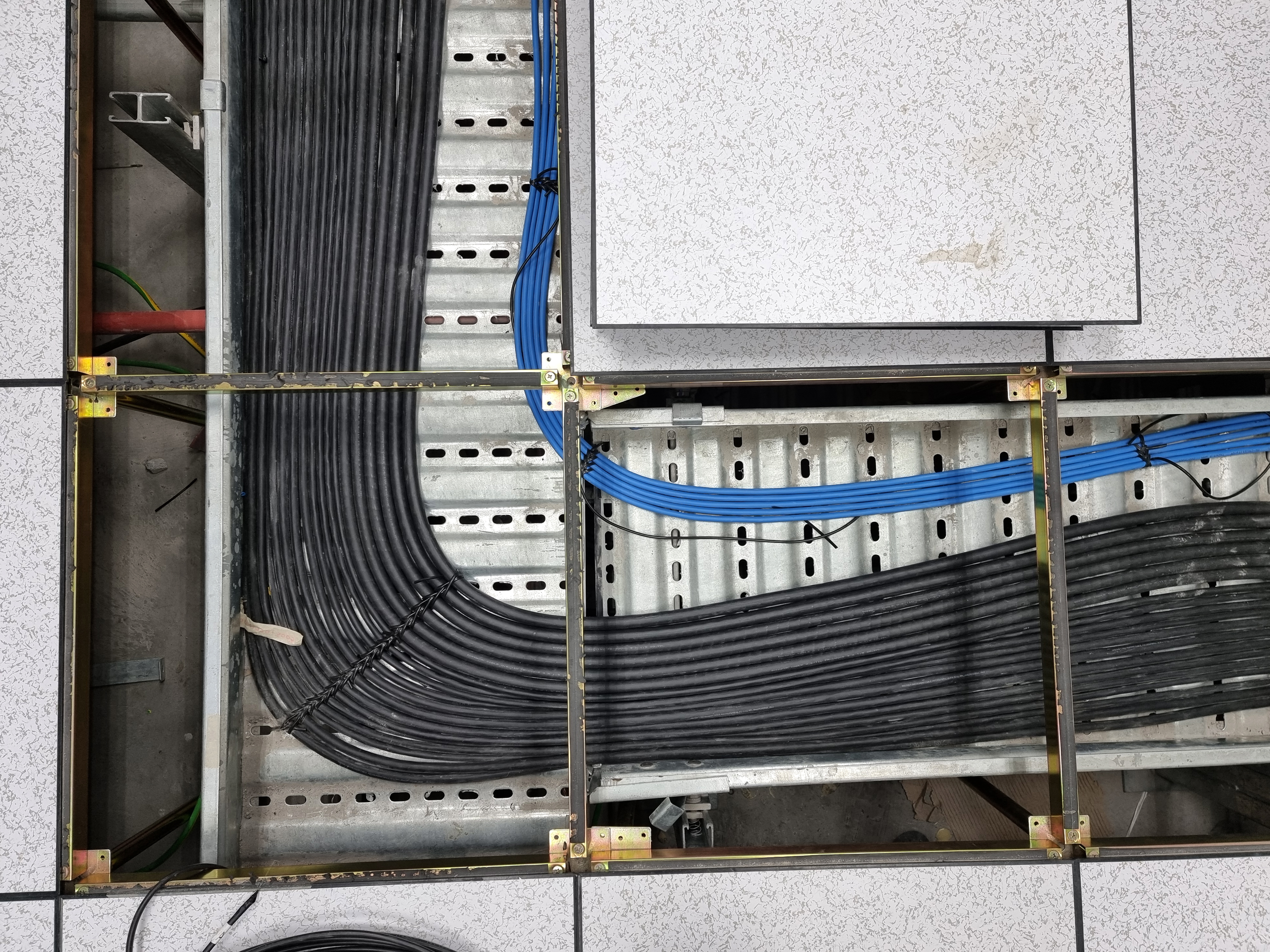
Our team provides engineering and architecture planning to assess requirements, environments, and growth objectives. We design network infrastructure layouts that balance performance, resilience, and scalability while aligning with operational needs.
INS manages installation and commissioning, helping ensure wired networks are deployed correctly and tested for reliability. We also offer provisioning and pre-configured hardware to streamline deployment and reduce on-site complexity. Ongoing support and lifecycle services help maintain performance, address changes, and extend the life of the network.
Related Services
Wired networking technologies are supported by INS services that help ensure successful design, deployment, and long-term performance. These services ensure wired infrastructure is engineered correctly, deployed reliably, and supported throughout its operational life.




Ready to strengthen your network foundation?
INS can help you design and deploy wired networking technologies that deliver reliability, performance, and long-term value.