
Technologies
WIFI Networking
Flexible Connectivity for Enterprise & Industrial Environments

Wi-Fi is a versatile, widely used wireless technology in enterprise and industrial operations. From warehouses and manufacturing floors to corporate campuses, it can enable high-density connectivity for people, devices, and systems while supporting mobility across facilities.
Industrial Wi-Fi is designed for use cases that go beyond office-grade networks. Designed for rugged environments, it can support higher device density, broader coverage, and hardware built to withstand dust, vibration, temperature extremes, and interference. When properly designed, Wi-Fi complements wired infrastructure and other wireless technologies, providing the flexibility modern operations demand.
INS delivers enterprise-grade and industrial Wi-Fi networks designed to balance performance, reliability, and scalability. Whether Wi-Fi is your primary access technology or part of a hybrid network, our solutions support current operational needs while remaining adaptable for future growth.
Overview of Wi-Fi Networking
Wi-Fi (WLAN) uses radio frequencies to connect devices without cabling, managed through centralized controllers and integrated with wired backbones. Industrial Wi-Fi uses ruggedized access points, enclosures, and enterprise-class infrastructure to operate reliably in harsh conditions, supporting extended coverage, high device densities, and demanding performance requirements.
Wi-Fi remains essential for connecting laptops, tablets, handheld scanners, sensors, AGVs, mobile workstations, and other devices. It enables mobility, flexible layouts, and rapid scalability, while integrating with wired networks and other wireless technologies for a complete connectivity strategy.
Did You Know?
Wi-Fi doesn’t actually stand for anything. Wi-Fi is a brand name, created in 1999 by the Wi-Fi Alliance. It was coined to be a friendly, consumer-ready term for devices based on IEEE 802.11 wireless LAN standards. Despite the myth, it does not officially mean “Wireless Fidelity.” That phrase was used informally in early marketing, but it has never been a technical definition.
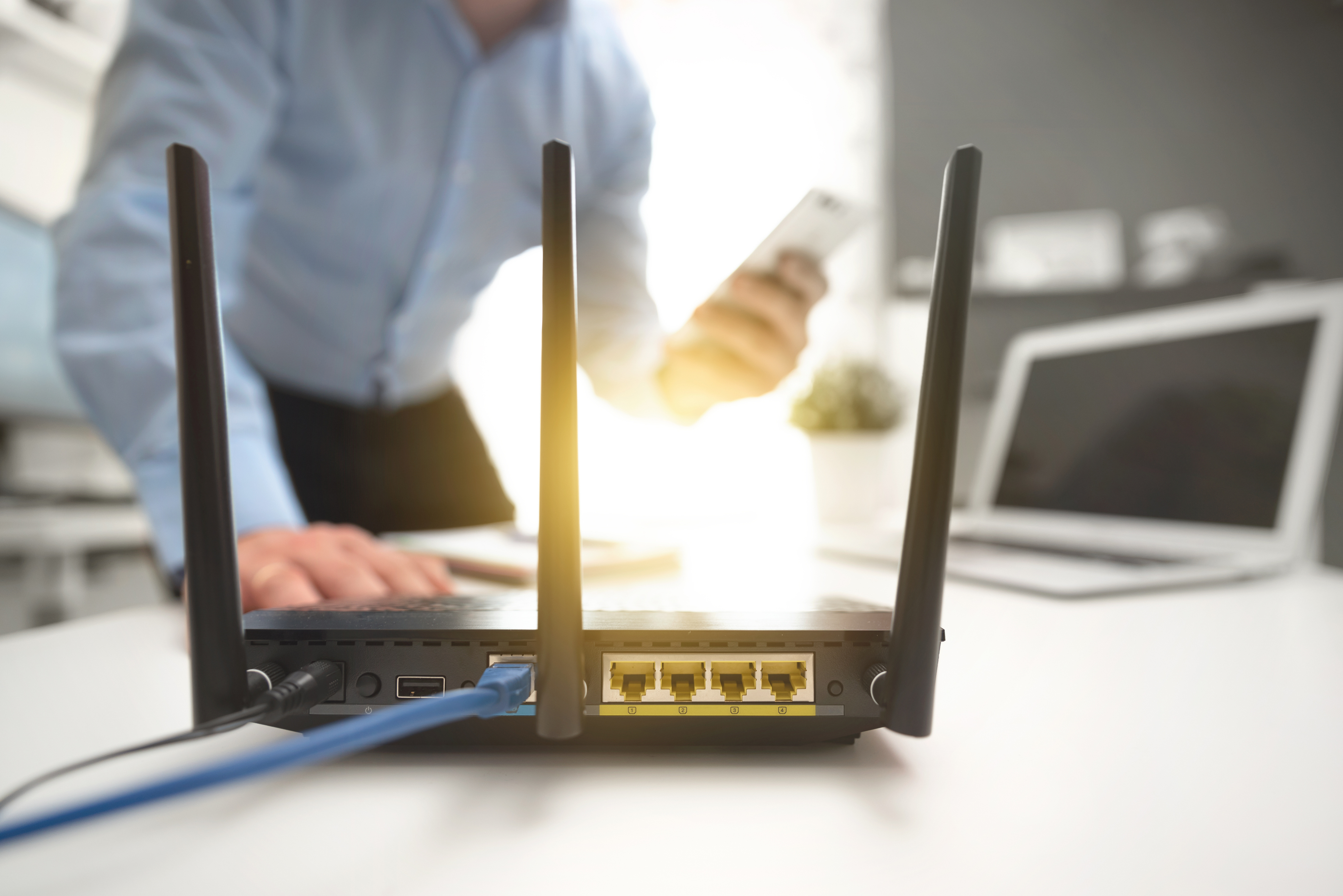
Benefits of Wi-Fi for Enterprise & Industrial Use Cases
Industrial Wi-Fi delivers more than just wireless connectivity. It empowers operations with mobility, scalability, and flexibility that traditional wired networks alone can’t match. From mobile devices on the factory floor to sprawling campus environments, Wi-Fi enables teams and systems to work efficiently, adapt quickly, and maintain seamless connectivity across facilities.

When to Pair Wi-Fi with Wired Networking
Wi-Fi signals can be affected by interference, obstacles, and environmental conditions. Security, throughput, and latency can also limit performance for critical applications. Pairing Wi-Fi with wired backbones helps provide deterministic performance, reliability, and secure connectivity.
Wi-Fi signals are inherently subject to interference and depletion from walls, equipment, and other obstacles, which can impact performance and coverage consistency. In industrial environments, this can be made worse by metal structures, machinery, or electromagnetic noise. Additionally, wireless networks pose unique security risks, making it critical to implement proper encryption, segmentation, and access control to protect sensitive data and maintain compliance.
For mission-critical applications (such as real-time control, automation, video streaming, or high-volume data flows), Wi-Fi alone may not provide the required latency, throughput, or reliability. In these scenarios, pairing Wi-Fi with a wired backbone or adopting a hybrid architecture supports deterministic performance while maintaining the flexibility that wireless connectivity provides.
Common Use Cases for Industrial Wi-Fi
Industrial Wi-Fi is a versatile solution that supports mobile, flexible, and high-density connectivity across a wide range of enterprise and industrial environments. From warehouses to campuses, it enables seamless communication for devices, personnel, and systems while reducing reliance on extensive cabling.
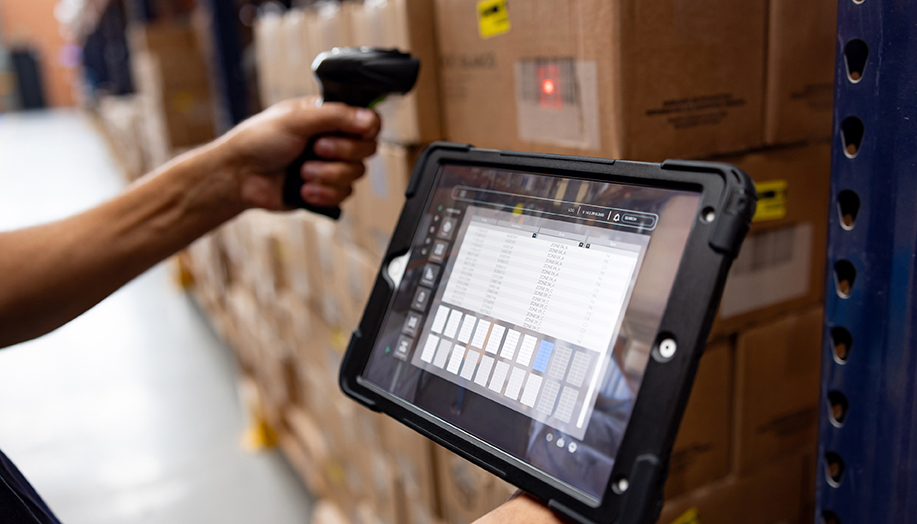
Warehouses, Distribution & Logistics Centers
Supports handheld scanners, mobile devices, inventory tracking, and mobile workforce operations.
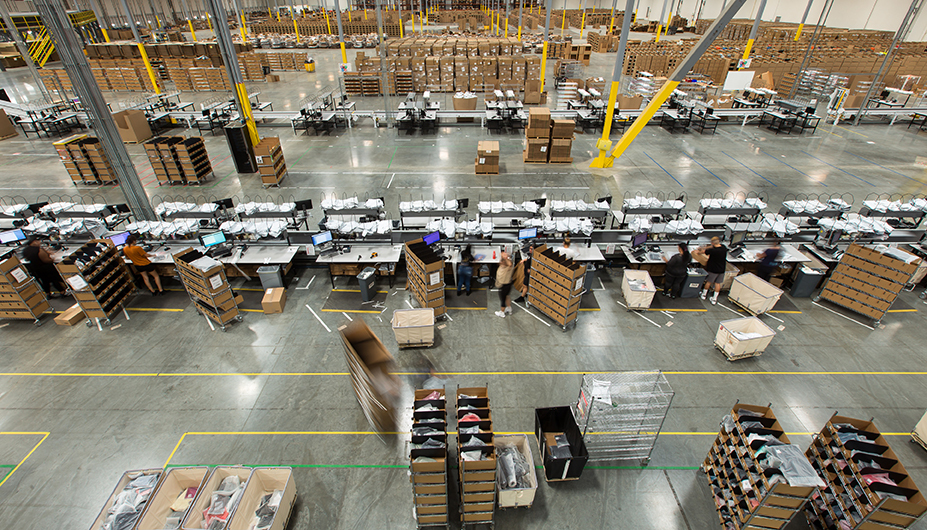
Manufacturing Floors and Plant Facilities
Connects portable devices, mobile control stations, & IIoT sensors for automation monitoring & flexible layouts.
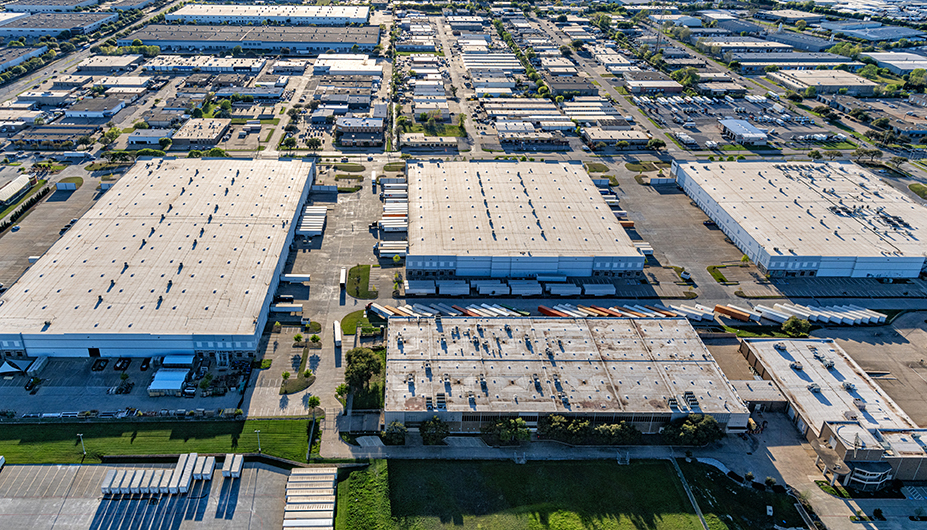
Corporate Campuses & Office + Mixed Environments
Provides reliable wireless mobility for laptops, tablets, guest access, and transient users.
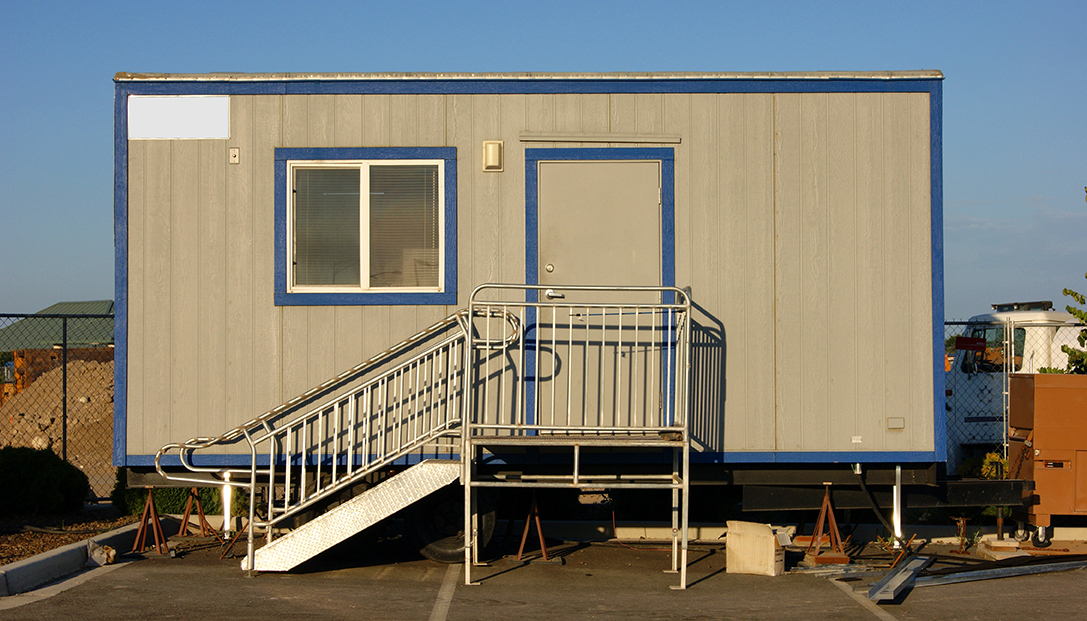
Retrofit or Temporary Installations / Remote Sites
Ideal for locations where new cabling is impractical; fast deployment and scalable coverage can help.
Featured Manufacturers




How INS Delivers Industrial Wi-Fi & Hybrid Solutions
INS provides end-to-end Wi-Fi networking solutions combining rugged hardware with expert planning and lifecycle support. Our approach includes:
Site surveys, design, and coverage planning
Deployment of access points, controllers, and network hardware with configuration support
Ongoing network management support, troubleshooting, and optimization
Wi-Fi integrates with wired backbones, Ethernet, cable solutions, private cellular, and hybrid architectures, creating a resilient, scalable network across production floors, warehouses, campuses, and remote sites.