
Industrial Industry
Water & Wastewater
Connectivity for Treatment Plants, Lift Stations & Distributed Utility Infrastructure
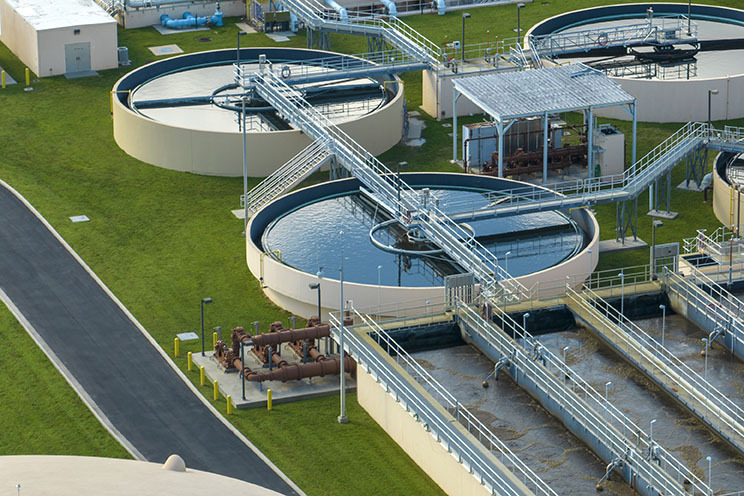
Water and wastewater utilities rely on secure, resilient network infrastructure to maintain continuous water supply, safely process wastewater, meet regulatory standards, and protect public health. Treatment facilities, lift and pumping stations, remote telemetry sites, SCADA systems, and distributed field assets all depend on predictable, always-on communication to operate safely and efficiently.
INS designs and supports network architectures built specifically for utility environments. We help operators improve visibility, enhance reliability, secure remote assets, modernize legacy systems, and support 24/7 operational continuity across treatment plants and distributed service areas.
Key Challenges in Water, Wastewater & Sewage-Treatment Operations
Utilities face a combination of regulatory pressure, cybersecurity risk, aging infrastructure, and growing service demands. INS builds network systems that address these challenges while supporting continuous operation and environmental compliance.
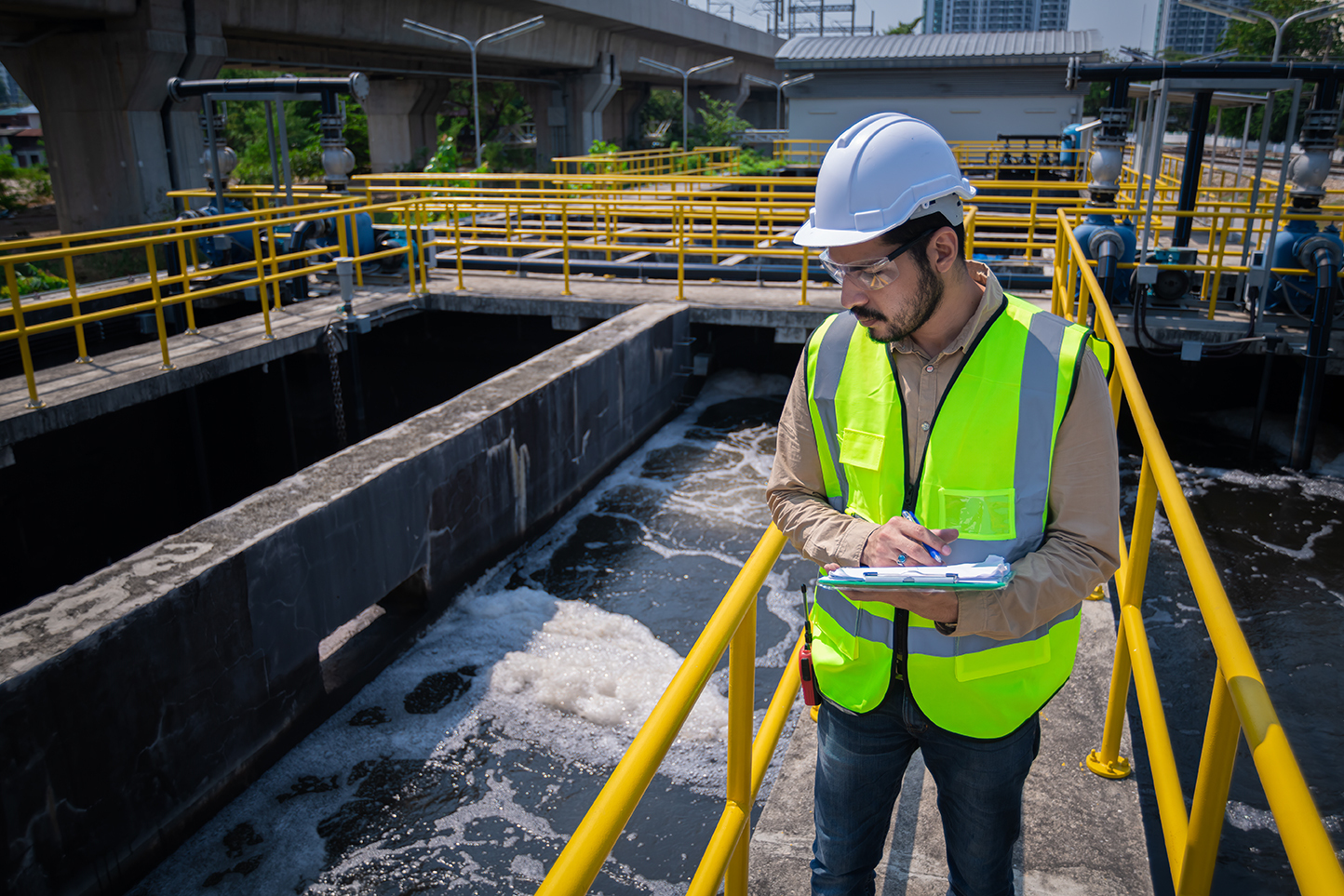
Water and wastewater systems must run without interruption. Even short communication failures can disrupt treatment processes, create SCADA blind spots, delay alarms, impair pumping operations at lift stations, or jeopardize compliance reporting.
INS designs high-availability architectures supporting deterministic communication across treatment environments and remote assets. Redundancy, segmentation, and resilient topologies keep SCADA visibility intact and processes running even when devices or links fail.
Water and wastewater systems are designated critical infrastructure, making them prime targets for cyber intrusion. Legacy PLCs (Programmable Logic Controllers) and RTUs (Remote Terminal Units), vendor-access pathways, and remote unmanned sites expand the attack surface at a time when NERC-style scrutiny is increasing.
INS strengthens utility security by segmenting OT environments, enforcing policy-driven access control, securing remote access workflows, and continuously monitoring network activity. These measures reduce cyber risk while supporting uninterrupted treatment and pumping operations.
Most utilities operate extensive networks of geographically dispersed assets, including lift stations, booster pumps, reservoirs, tanks, and satellite treatment facilities. Many sites sit in areas with limited infrastructure, yet operational teams depend on timely visibility into alarms, pump cycles, and process performance.
INS designs hybrid wired/wireless connectivity that help maintain visibility and connectivity for remote stations. These designs support reliable SCADA telemetry, alarm notifications, and environmental monitoring across far-reaching service territories.
Wastewater plants rely on predictable network performance to coordinate aeration, clarification, digestion, disinfection, sludge handling, and reuse processes. Communication gaps can affect chemical dosing, process control, and compliance with regulatory discharge limits.
INS builds network infrastructure designed to support real-time process visibility and traceable communication across treatment works, helping utilities maintain safe operation and meet environmental standards.
Utilities often run a mix of decades-old PLCs, modern SCADA platforms, and enterprise applications. As OT systems increasingly interface with IT environments, networks must support:
- Predictable real-time control
- Secure integration of legacy RTUs and telemetry
- Clean pathways for enterprise reporting and analytics
- Strong segmentation between OT and IT layers
INS helps utilities modernize safely by applying structured segmentation and secure connectivity patterns that preserve real-time control and operational reliability.
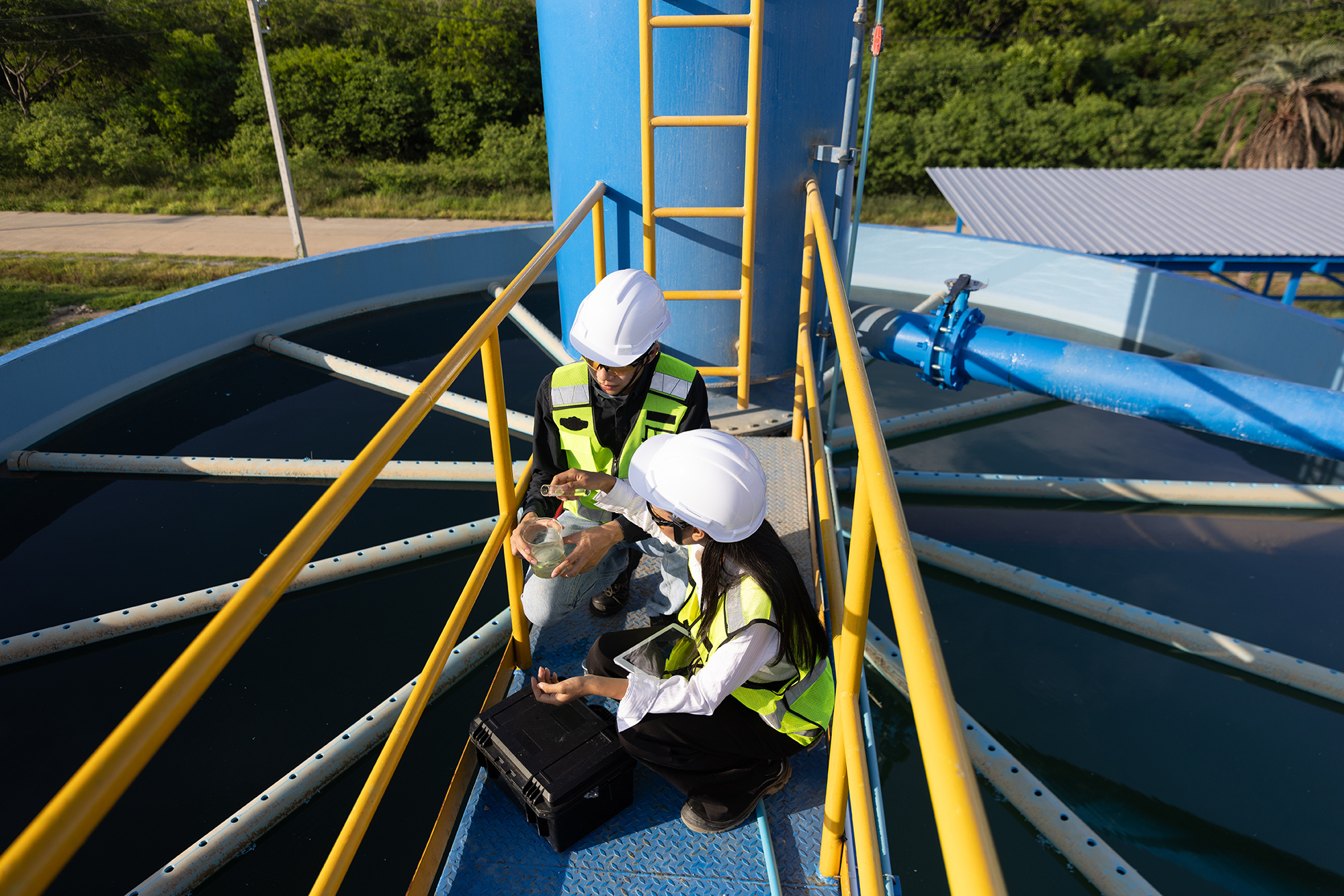
Utilities require deterministic communication across both centralized plants and remote assets.
INS provides:
- Redundant fiber and wireless backbones
- Hardened Ethernet infrastructure for corrosive or high-humidity environments
- Hybrid architectures supporting remote, unmanned sites
- Designs resilient to temperature swings, water exposure, and outdoor enclosures
These systems maintain visibility and operational continuity even during localized failures.
Utilities depend on clear separation between operational controls and enterprise systems. INS supports:
- Segmented environments for SCADA, PLCs, sensors, and RTUs
- Secure access pathways for operators, technicians, and OEMs
- Structured firewall and access-control policies
- Standards-aligned defense-in-depth practices
These controls are implemented during OT network configuration & installation, integrating security into the network without disrupting treatment operations or SCADA performance.
Modern utilities increasingly rely on sensors, telemetry, and monitoring for predictive maintenance, regulatory reporting, and operational insight. INS supports:
- Pump and lift-station telemetry
- Flow, level, pressure, and quality sensors
- Alarm/event systems
- IIoT-driven analytics and edge processing
Reliable, continuous data gives operators the real-time visibility needed for safe, compliant, and efficient operations, with edge computing enabling faster insights at remote and distributed sites.
As service territories expand, treatment requirements evolve, and reuse infrastructure grows, utilities need networks that scale. INS supports:
- New treatment capacity and process expansion
- Integration of reclaimed water and reuse systems
- Upgrades to aging SCADA and telemetry networks
- Digital-utility initiatives requiring increased data flow
- New or upgraded connectivity for remote assets
Networks are built to adapt to long-term growth and modernization needs.
Why Choose INS for Your Water & Wastewater Network Infrastructure
Water and wastewater rely on INS because we design for the realities of critical public infrastructure. INS delivers:
Extensive experience supporting treatment plants and distributed utility networks
Engineers trained in SCADA, telemetry, and OT cybersecurity
Proven solutions for remote lift stations and pumping networks
Hybrid wired/wireless architectures for distributed environments
Lifecycle services, from design and engineering to commissioning and long-term support
Vendor-neutral integration with diverse OT systems and control platforms
Treatment & Utility Network Expertise
SCADA & OT Security Engineering
Remote Pumping Network Solutions
Hybrid Distributed Architectures
End-to-End Lifecycle Services
Vendor-Neutral OT Integration
INS provides the secure, reliable, and high-visibility infrastructure utilities need to maintain public health and regulatory compliance.
INS Water & Wastewater OT Services Customers Include:









Talk to Us About Your Utility Network Needs
Whether you are modernizing legacy SCADA, securing distributed lift stations, expanding treatment capacity, or adopting IIoT for real-time visibility, INS can design a resilient network that supports your operational and compliance goals.