
Industrial Industry
Upstream Oil & Gas
Connectivity for Remote, High-Demand Field Operations
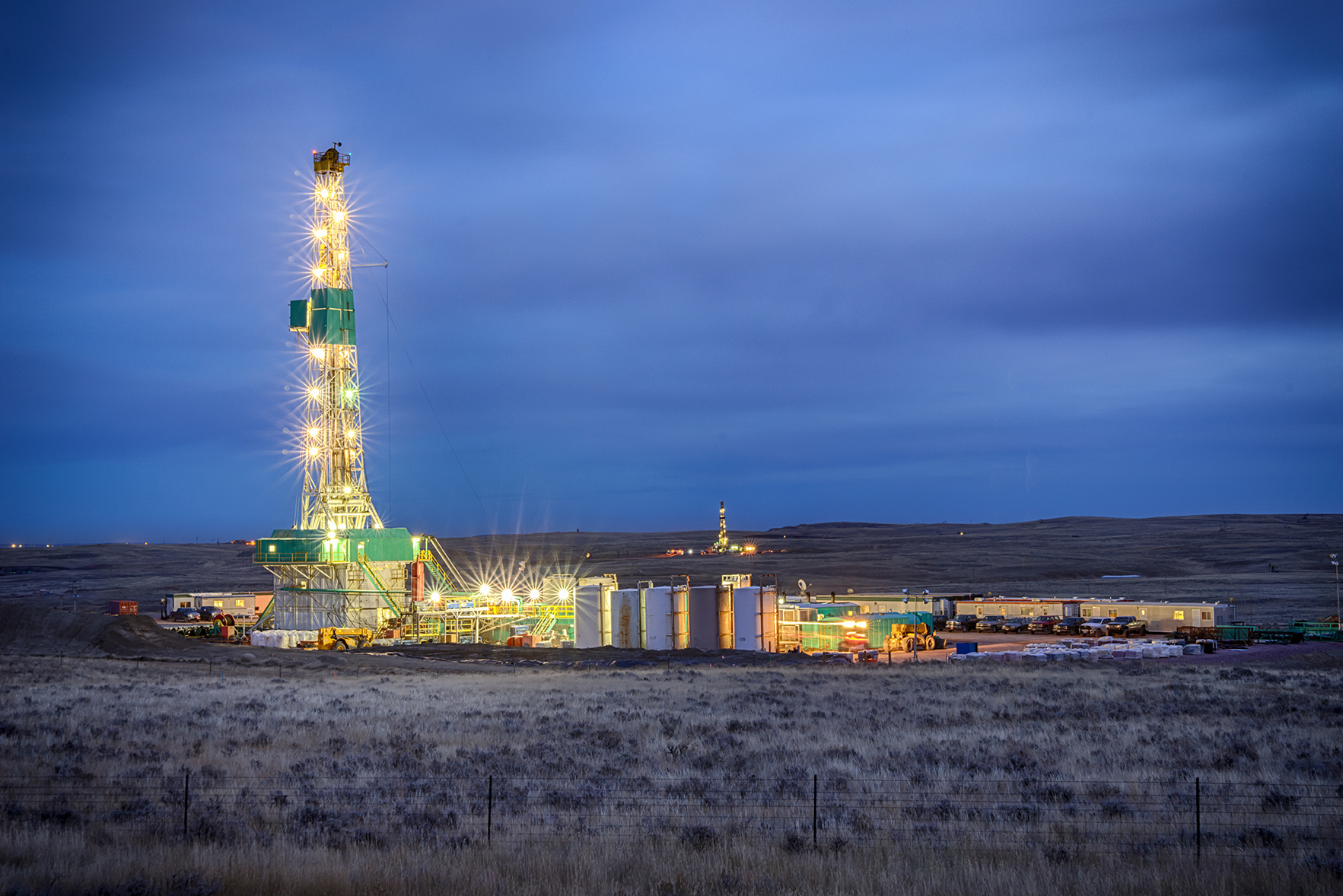
Upstream oil and gas operations rely on resilient, real-time connectivity to maintain safe production and support remote operations across large, rugged geographies. Well pads, drilling rigs, production facilities, and offshore platforms demand network designs that perform reliably in harsh conditions with limited physical infrastructure.
INS supports stable production and real-time visibility across remote E&P environments through rugged hardware, secure control-system communication, and lifecycle-ready network support.
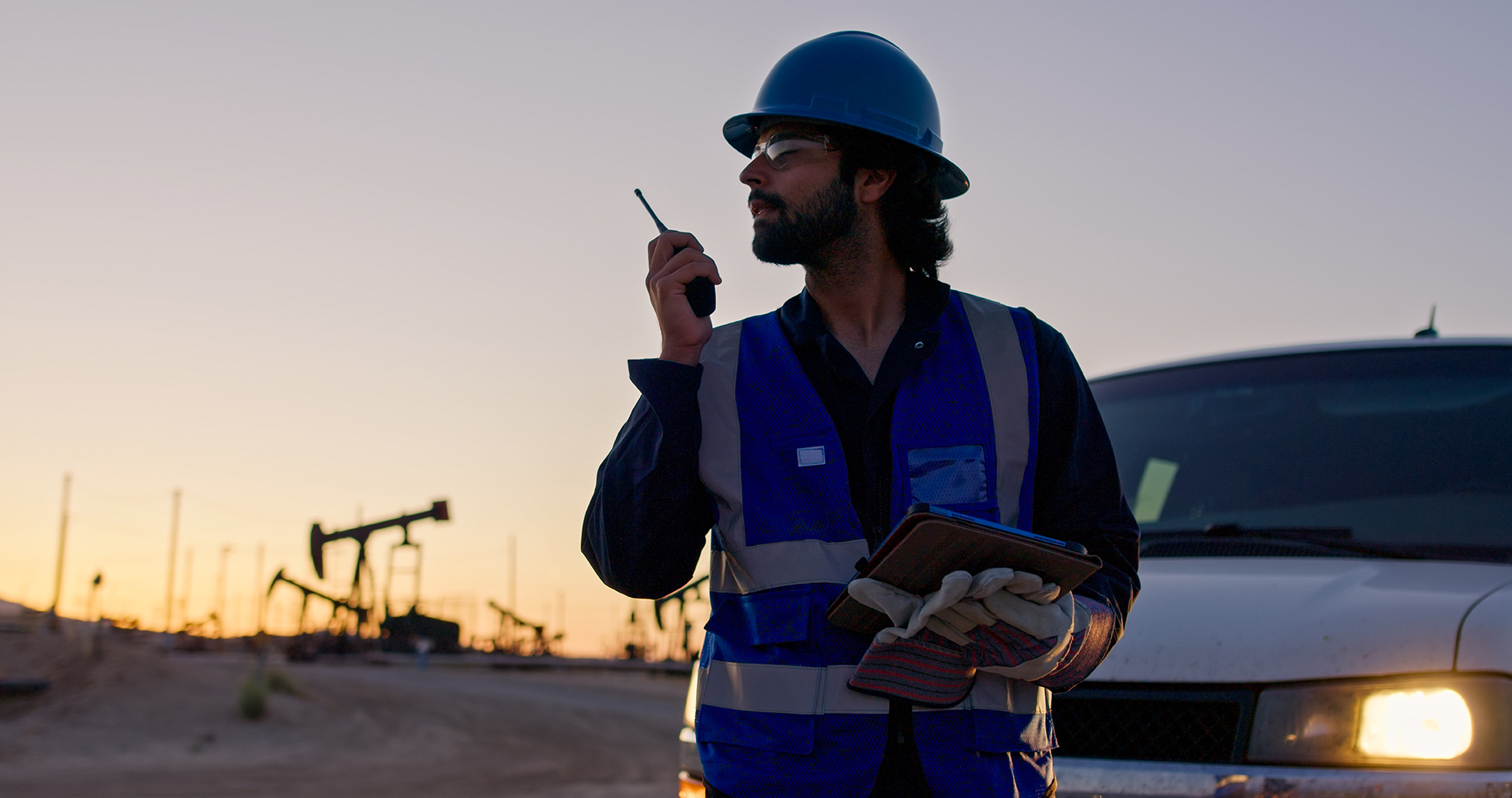
Well pads and production facilities are often scattered across rugged terrain with limited access to fiber, long distances between pads, and exposure to extreme temperatures and vibration. These conditions demand communication systems that remain reliable even when infrastructure is limited.
INS deploys hardened wireless and hybrid architectures designed for remote well sites and drilling environments, applying proven design methods that support scalable field connectivity.
Modern upstream operations depend on continuous data from IIoT sensors, artificial-lift systems, tank-level telemetry, flow monitoring, pressure instrumentation, and equipment-health diagnostics. These systems require predictable bandwidth, low-latency communication, and resilient field backhaul.
INS builds upstream network designs that support predictable, low-latency data paths for production optimization, equipment health monitoring, and edge-based analytics , enabling faster decisions and reduced downtime at the field level.
Upstream operations rely heavily on connectivity for:
- Critical alarms
- Well integrity systems
- Remote shutdown capabilities
- Gas-detection and environmental-monitoring equipment
- Safety and compliance reporting
INS designs network environments that prioritize alarm integrity, system availability, and reliable remote shutdown communication in unpredictable field conditions.
Upstream sites blend decades-old PLCs, RTUs, and SCADA systems with modern cloud-based analytics and corporate platforms. As connectivity expands, the attack surface extends into remote and often unmanned field locations.
INS strengthens upstream cybersecurity through segmented OT environments, secure remote access, policy-based controls, device hardening, and continuous monitoring. These controls protect remote well sites and production systems without disrupting operations.
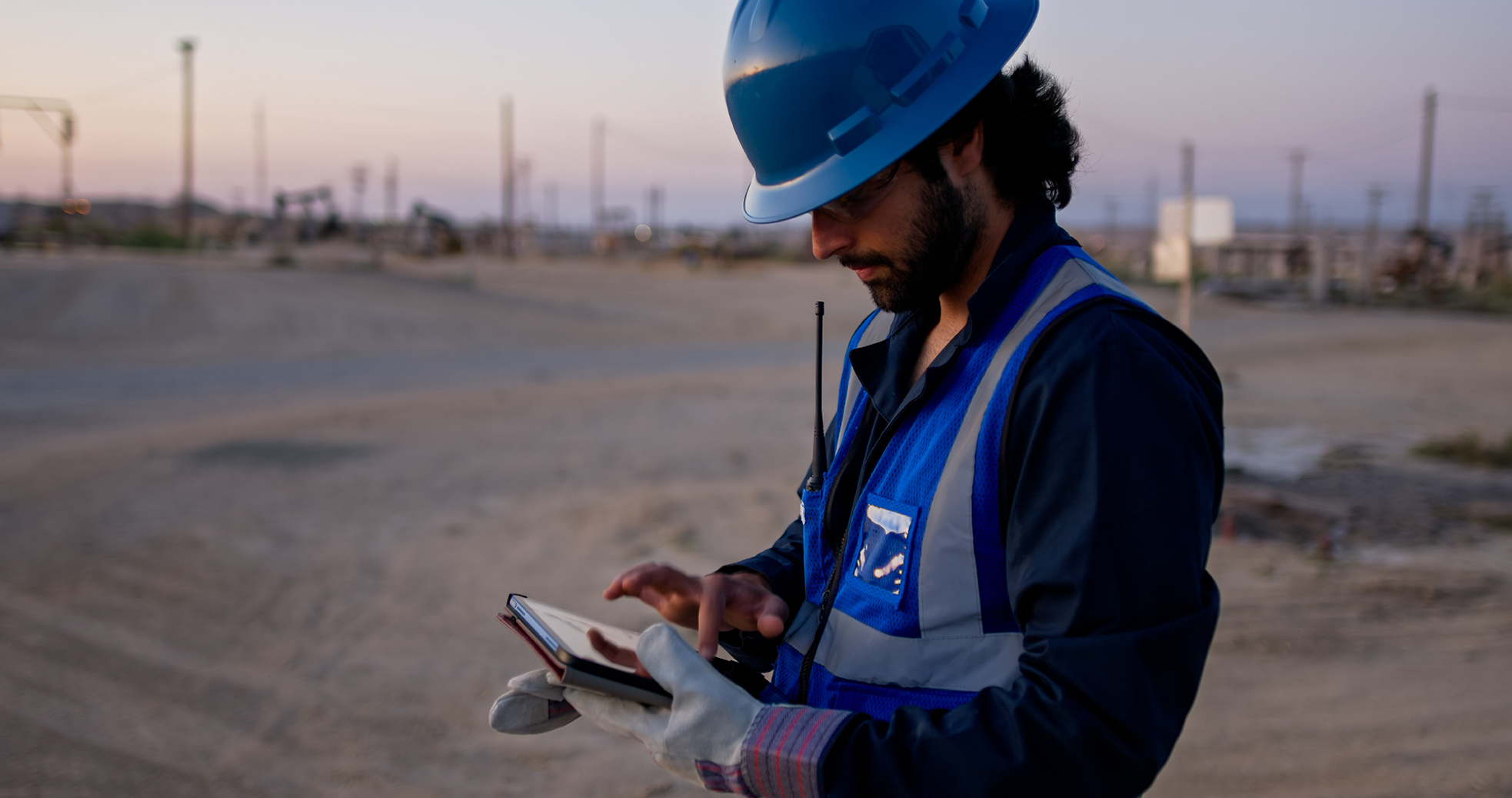
Upstream operations require a combination of wired reliability and flexible wireless coverage to support controls, telemetry, and mobile assets. INS designs hybrid architectures that include hardened Ethernet backbones, long-range wireless links between pads or facilities, and practical connectivity strategies for temporary rigs, mobile equipment, and evolving well-site layouts.
These architectures stabilize communication as assets move or field conditions change, using configuration and installation practices built for rugged, field-deployed environments.
For operations spanning large geographies, wireless backhaul becomes essential. INS deploys private 4G/5G, broadband wireless, and satellite connectivity to maintain field visibility where fiber infrastructure is unavailable.
These solutions support telemetry, SCADA, and distributed analytics across remote production assets.
INS supports digital-oilfield initiatives by enabling continuous data flow between sensors, pad sites, production facilities, and central operations. Through localized compute resources, edge-processing nodes, and structured real-time data paths, we reduce bandwidth load and empower faster decision-making at the field level.
This architecture enables predictive maintenance, artificial-lift optimization, and more efficient production oversight.
INS provides ruggedized connectivity for pump controls, tank-battery systems, artificial-lift units, hydraulic fracturing equipment, and well-integrity systems. Networks are engineered to maintain secure, reliable operation despite temperature swings, vibration, and environmental exposure.
Why Choose INS for Your Upstream Network Infrastructure
E&P operators choose INS because we design networks for real upstream conditions. We offer:
Experience supporting well sites, pad networks, and distributed production assets
Expertise in wireless upstream architecture design
Engineering proficiency across SCADA, RTUs, telemetry, IIoT sensors, and real-time field data
Lifecycle services covering design, deployment, commissioning, and operational support
Field-tested strategies drawn from other rugged industrial sectors
Upstream Production Expertise
Wireless Architecture Design
SCADA & Field Data Engineering
End-to-End Lifecycle Services
Rugged Industry Experience
Our networks strengthen uptime, visibility, and safety across the entire upstream production footprint.
Featured Upstream Oil & Gas INS Services












Talk to Us About Your Upstream Network Needs
Whether your goals include improving wireless coverage across remote pads, enhancing real-time production visibility, modernizing SCADA infrastructure, or deploying edge computing at the field level, INS can design a resilient upstream network that meets the demands of exploration and production.