

Private cellular networking gives organizations dedicated LTE or 5G networks they can control, providing more reliable connectivity for IoT, automation, mobile assets, and mission-critical operations. Unlike public networks, private cellular can help deliver predictable performance, low latency, with greater control over coverage, policies, and data security when properly designed and configured. Combined with wired infrastructure and Wi-Fi, private cellular enables operations to scale efficiently.
Overview of Private Cellular Networking
Private cellular networks are dedicated LTE or 5G networks designed and managed by the organization. They provide predictable connectivity with security features for IoT, automation, and mobile devices. Using controlled spectrum such as CBRS, and on-site or hybrid architectures, these networks can reduce interference while and support scaling with operational needs. Organizations choose private cellular networking for a few key benefits: control, reliability, broad coverage, and scalability.
How Private Cellular Networks Work
Private cellular networks rely on specialized components and managed spectrum to deliver secure, high-performance connectivity.
Key Advantages of Private Cellular Networking
Private cellular networks deliver a combination of control, performance, and scalability that traditional connectivity solutions often cannot match.
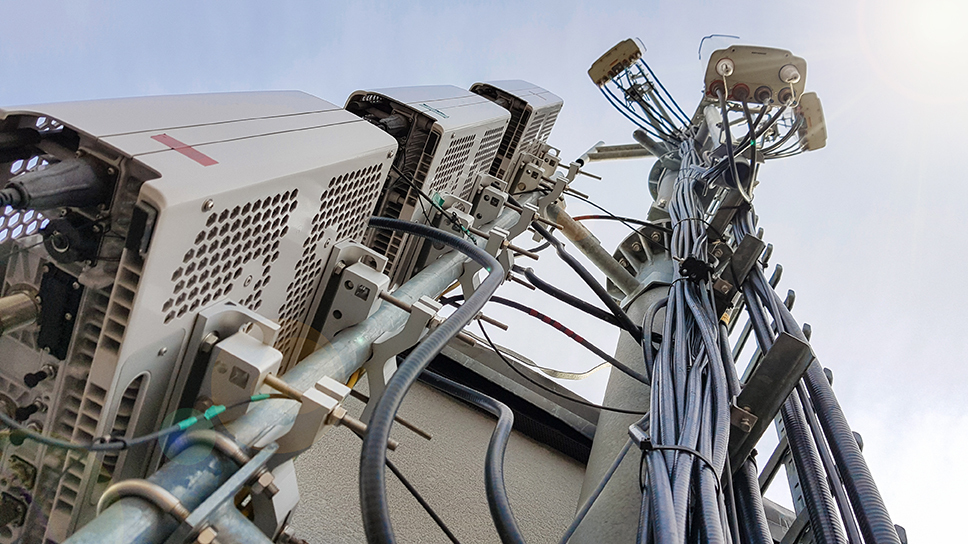
Private Cellular vs. Alternatives
Organizations evaluating wireless options often weigh private cellular against public cellular networks and Wi-Fi. Understanding the differences helps determine the right solution for your operational needs.
Common Applications, Use Cases and Case Studies
Private cellular networking powers connectivity in environments where reliability, low latency, and mobility are critical. Its flexibility supports diverse enterprise and industrial operations, enabling secure, high-performance communications across complex facilities.

Manufacturing & Industry 4.0
Real-time coordination of AGVs, robotics, automated material handling, and AR-assisted maintenance.
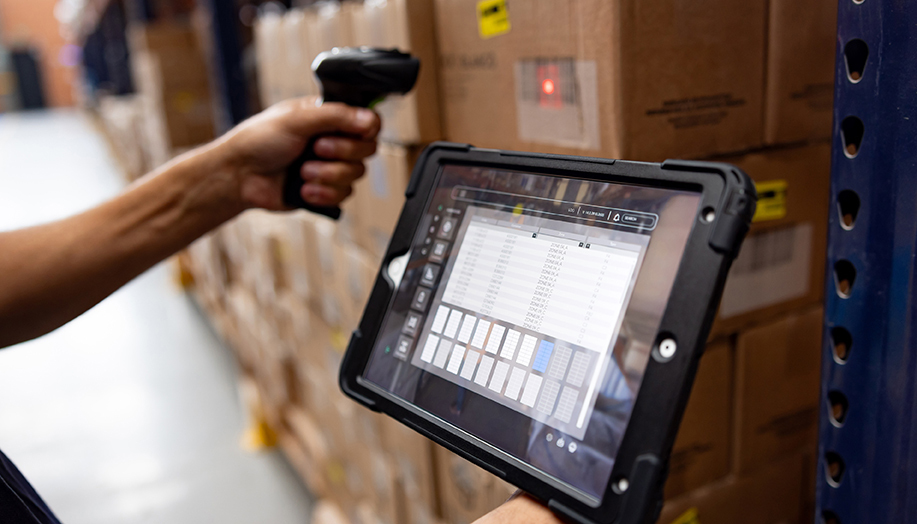
Logistics & Warehousing
High-speed, always-on coverage for moving assets, handheld devices, and automation across large facilities.

Energy, Utilities & Field Operations
Secure connectivity for substations, pipelines, and remote assets supporting monitoring, diagnostics, and control.
Deployment Models for Private Cellular
Private cellular networks can be implemented in a variety of ways to meet your control, expertise, and operational requirements. Choosing the right deployment model ensures that the network aligns with your performance, security, and scalability goals.
Still unsure where to start? Talk to a connectivity expert today >>>
Featured Manufacturers



How INS Supports Private Cellular Networking
INS delivers end-to-end support, from initial assessment to long-term operation. Our process begins with a connectivity readiness assessment, including site surveys to evaluate constraints, coverage, and device density. We develop a coverage and capacity plan that is designed to meet current needs and allows for future growth.
We design the network end-to-end, covering radios, core infrastructure, edge compute, backhaul, and security layers, helping support integration with Ethernet, Wi-Fi, and other existing systems.
INS manages installation and commissioning, including small cells, core infrastructure, SIM/eSIM provisioning, device onboarding, and policy alignment with customer requirements. Post-deployment, INS CARE provides ongoing network management support, optimization, and lifecycle support to help maintain performance and adapt to changing business needs.