POTS Line Replacement Guide
January 28, 2026
How to Replace and Upgrade Legacy Telephone Lines
Replacing legacy POTS lines is no longer optional for many organizations due to carrier copper retirement and cost pressures. In practice, most modern POTS replacement projects rely on cellular-based solutions rather than traditional VoIP or fiber. Cellular POTS replacement devices are purpose-built to support legacy fire alarms, elevator phones, and security systems while avoiding dependence on local internet service or internal IT networks.
With carriers retiring copper infrastructure under FCC-approved processes and aging analog systems becoming unreliable, organizations need a strategic approach to modernizing their phone services. This guide provides a comprehensive roadmap for replacing POTS lines, exploring the available options, best practices, and step-by-step guidance for a seamless migration.
In practice, INS primarily replaces POTS lines using cellular-based POTS replacement platforms, not traditional VoIP phone systems. INS offers a variety of POTS replacement solutions to support fire alarms, elevator phones, security systems, and other legacy analog devices, helping maintain functionality without reliance on outdated infrastructure.
Whether your facility is a single building or part of a multi-site enterprise, this guide helps you understand how to replace POTS lines, evaluate POTS replacement options, and select solutions that ensure compliance, reliability, and future-proof connectivity.
Don’t know where to start? Find out what POTS lines are first.
Why Replace POTS Lines?
Businesses are facing an urgent need to replace POTS lines due to multiple converging factors:
- Rising Costs of Copper Maintenance: Maintaining traditional analog copper lines is increasingly expensive as infrastructure ages and carriers raise fees.
- Carrier Phase-Outs: Major telecommunications providers are retiring their copper networks. Without a replacement, critical systems can go offline.
- Aging Infrastructure Reliability: Analog lines degrade over time, increasing the risk of dropped connections and unreliable service.
- FCC Regulations: While not mandating immediate replacement, FCC guidance encourages transitioning to modern alternatives.
- Cellular Advancement: Purpose-built cellular POTS replacement platforms now provide reliable signaling, supervision, and battery-backed operation specifically designed for life-safety and legacy systems.
Organizations that proactively migrate their critical systems minimize downtime, reduce operational risk, and avoid costly emergency fixes.
Learn more about FCC phase-out timelines here.
When Should You Replace Your POTS Lines?
Timing is critical. Businesses should plan replacements before failures occur, especially for mission-critical systems. Common indicators include:
- Carrier notifications alerting customers to planned retirements
- Rising monthly or maintenance costs for copper lines
- Service degradation, such as static, dropped calls, or slow response times
- Compliance requirements for fire alarms, elevator systems, and building safety codes
A proactive replacement strategy helps ensure continuity and cost-effective infrastructure planning.
POTS Replacement Options
Modern POTS line replacement falls into three main categories. Each of these approaches relies on purpose-built POTS replacement hardware, such as cellular gateways, analog telephone adapters (ATAs), SIP gateways, or fiber termination devices. The appropriate solution is determined not only by connectivity availability, but also by the technical requirements of the connected OEM systems and applicable fire, elevator, and building codes.
- Cellular-based POTS replacement solutions (commonly for legacy and life-safety systems)
- VoIP/Broadband solutions (suitable for approved, non-life-safety use cases)
- Fiber-based solutions (often used in new construction or campus environments)
Each method provides distinct benefits. The right solution depends on system requirements, building infrastructure, and plans for scalability. For legacy systems that still rely on analog lines, INS deploys cellular-based platforms designed to support life-safety and other critical applications without the need for broadband internet or changes to internal IT networks.
Cellular POTS Replacement Solutions
Cellular POTS replacement uses carrier-certified devices to replace traditional copper lines with LTE or 5G connectivity. These solutions are built for compatibility with analog-dependent systems, offering reliable operation and minimal integration effort. INS assesses building needs and code compliance to implement a cellular-based solution that support continued functionality for fire alarms, elevator phones, and other essential systems.
These solutions are commonly deployed for:
- Fire alarm panels requiring supervised, always-on connectivity
- Elevator emergency phones that must meet inspection and testing requirements
- Security and alarm systems that depend on analog signaling
- Single-line analog devices such as fax machines or call boxes
Benefits:
- No new wiring required, reducing installation complexity
- Built-in battery backup designed to meet site-specific runtime requirements
- Quick and straightforward installation
- Operates independently of on-site internet, reducing risk for life-safety systems
Keep in mind: coverage must be adequate at the site, there may be ongoing monthly cellular service fees, and the efficacy of this option depends on carrier reliability.
VoIP-Based POTS Replacement Solutions
VoIP POTS replacement converts analog signals into digital voice over IP networks, offering cost efficiency and scalability for multi-line systems.
Benefits:
- Lower long-term costs for multi-line deployments
- Feature-rich: call forwarding, voicemail, conferencing
- Easily integrates with existing network infrastructure
While limited, use cases may include:
- Office environments with multiple phone lines
- Buildings with reliable broadband connectivity
- Systems requiring advanced call handling and remote monitoring
Keep in mind: reliable internet is required, power backup is necessary for continuous operation, and network latency may affect voice quality in certain environments.
Fiber-Based POTS Replacement Solutions
Fiber-based solutions, such as Fiber-to-the-Premises (FTTP), offer a high-reliability alternative for POTS replacement. These are typically best suited for new construction or large campus environments.
Benefits:
- Future-proof infrastructure with high bandwidth for growth
- Extremely reliable and low-maintenance
Fiber-based installation is more complex and costly upfront, and availability may be limited depending on the area.
POTS Replacement Options
Cellular POTS Replacement Options
Uses LTE/5G to replace copper lines with wireless connectivity--quick to deploy with no new wiring.
- No new wiring; fast install
- Battery backup for outages
- Best for single-line/remote systems (alarms, elevators, fax/credit terminals)
VoIP-Based POTS Replacement Solutions
Converts analog lines to digital voice over IP, offering scalable, feature-rich communication for multi-line environments.
- Lower long-term cost for multi-line setups
- Advanced features (forwarding, voicemail, monitoring)
- Requires reliable broadband and power backup
Fiber-Based POTS Replacement Solutions
High-reliability, future-proof option using fiber infrastructure; ideal for long-term growth and large facilities.
- Very reliable, low maintenance
- Supports high bandwidth needs
- Higher upfront cost; limited availability in some areas
Choosing the Right POTS Replacement Solution
Selecting the optimal POTS replacement solution is not one-size-fits-all. Every building, system, and business has unique requirements. To make an informed choice, organizations should evaluate several key factors:
Number of Lines Needed
Single-line systems, like a standalone fire alarm or elevator phone, often benefit from cellular solutions. Multi-line deployments in office buildings or campuses may be more cost-effective with VoIP or fiber.
System Requirements
Critical systems such as fire alarms, elevators, and security devices have stringent reliability and compliance standards. The replacement solution must meet these specifications.
Location and Infrastructure
Remote sites with poor internet coverage may rely on cellular solutions, while facilities with existing broadband or fiber can leverage VoIP or fiber options.
Budget Considerations
Initial equipment costs, installation expenses, and ongoing service fees vary by technology. Decision-makers should evaluate total cost of ownership rather than just upfront costs.
Compliance Needs
Ensure your chosen solution aligns with local regulations, fire codes, elevator codes, and accessibility requirements.
Scalability and Future-Proofing
Consider growth plans, additional devices, or new sites. Solutions like fiber and VoIP provide flexibility for expansion, while cellular can be quickly deployed to temporary or remote locations.
POTS Line Replacement Process: Step-by-Step
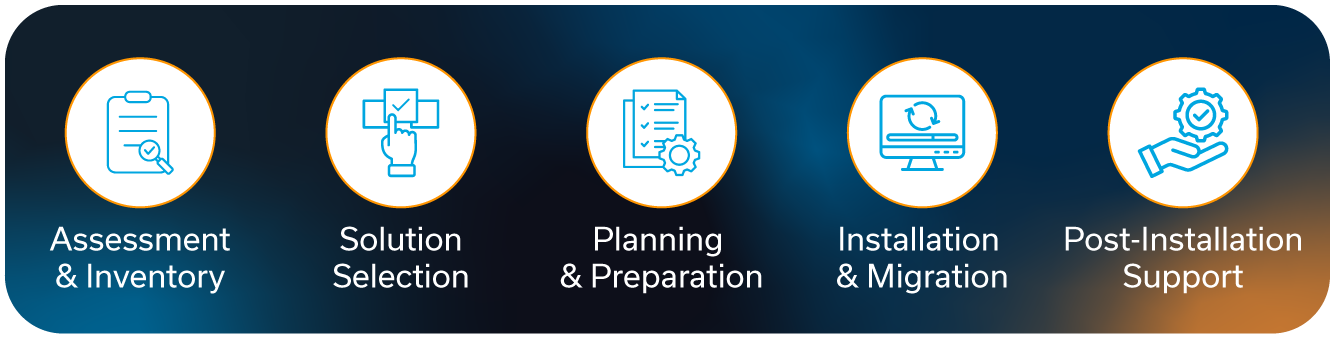
Replacing POTS lines requires detailed planning and execution. Here’s a typical process used by experts like INS:
- Assessment and Inventory: Identify all POTS-dependent systems across your facility or enterprise. Document their configurations, line counts, and dependencies.
- Solution Selection: Evaluate cellular, VoIP, and fiber options against your systems’ requirements, location, budget, and compliance needs.
- Planning and Preparation: Develop a migration timeline, coordinate with stakeholders, and verify regulatory obligations. Create contingency plans for critical systems.
- Installation and Migration: Deploy new equipment according to the chosen solution, run parallel tests to support uninterrupted service, and perform a cutover, switching from old copper lines to modern alternatives.
- Post-Installation Support: Ongoing monitoring promotes continued reliability. Provide training for staff and maintain documentation for inspections or audits.
Using a provider experienced in nationwide POTS replacement simplifies coordination, reduces risk, and supports compliance across multiple sites.
Schedule a consultation with INS to get started today.
POTS Replacement Cost Considerations
Understanding costs upfront prevents surprises. POTS replacement costs fall into two categories.
Upfront Costs
- Equipment: Cellular gateways, VoIP adapters, fiber terminal devices
- Installation and configuration: Wiring, network integration, testing
- Training and documentation for staff
Ongoing Costs
- Monthly service fees for cellular or VoIP lines
- Maintenance and support contracts
- Energy costs for backup systems
Keep your return on investment in mind. Modern POTS replacement often reduces maintenance costs, minimizes service disruptions, and extends the life of connected systems, delivering a favorable ROI despite higher initial investment.
Ensuring Compliance During POTS Replacement
Replacing POTS lines is more than a technical upgrade; it often involves regulatory considerations. Businesses are responsible for verifying that updated systems align with applicable safety, accessibility, and operational standards. Compliance may involve multiple domains, including fire safety, elevator communications, and local jurisdiction requirements.
Fire Alarm Monitoring Requirements
Fire alarm systems are among the most critical applications of POTS lines. Many local fire codes and insurance requirements mandate that alarm signals maintain continuous, reliable connectivity. Modern replacement solutions, whether cellular, VoIP, or fiber, must be configured to guarantee signal delivery in real time. This often includes failover capabilities such as battery backup or redundant communication paths to prevent false alarms or system failures.
Elevator Emergency Phone Compliance
Elevator emergency communications are subject to detailed requirements under ASME A17.1 and related codes. Replacing POTS lines in these systems typically requires a solution that supports reliable, continuous connectivity. This often involves integrating cellular or VoIP technology with existing elevator phone hardware, supporting code compliance while providing features such as call routing, remote diagnostics, and automatic testing.
Accessibility and ADA Considerations
For public buildings, POTS replacement should support applicable accessibility requirements. This can include volume-adjustable handsets, tactile keypads, or compatibility with assistive technologies. Providers must validate that the replacement technology does not create barriers for individuals with disabilities, particularly in emergency systems.
Testing, Documentation, and Verification
Proper documentation is essential to demonstrate compliance. Providers should maintain logs of installation procedures, testing results, certification reports, and maintenance records. Comprehensive testing before, during, and after migration helps confirm that each line functions properly under normal and emergency conditions and aligns with applicable regulatory requirements. INS technicians follow detailed checklists for each critical system, minimizing risk and providing documentation suitable for inspections or audits.
Common POTS Replacement Challenges
Even with thorough planning, POTS replacement projects can encounter obstacles. Understanding common challenges and solutions helps organizations avoid delays, unexpected costs, and compliance issues.
Legacy Equipment Compatibility
Many buildings still operate devices designed for analog POTS lines, including elevator phones, fire alarms, and security systems. Connecting these devices to digital or cellular services may require adapters or interface modules. In some cases, legacy devices may require partial replacement to maintain proper functionality. INS provides assessments to determine the appropriate combination of adapters and upgrades for each system.
Power and Outage Concerns
Unlike traditional copper lines, digital or cellular POTS replacements rely on external power sources. Power outages can interrupt critical communications if not addressed. Modern cellular POTS replacement platforms typically include integrated battery backup and supervision features to help ensure continued operation during power interruptions.
Testing and Verification Complexity
With multiple systems across one or several sites, testing each line thoroughly is essential. Inadequate verification can result in missed alarms, failed emergency calls, or non-compliance. Best practices include staged testing, simulation of real-world scenarios, and documented validation reports for each system. INS technicians employ standardized testing protocols to validate every line before the old copper circuits are decommissioned.
Vendor and Multi-Site Coordination
Large-scale replacements often require coordinating multiple carriers, solution types, and contractors. Miscommunication can cause delays or misconfigurations. Partnering with an experienced provider like INS streamlines project management, supports alignment across teams, and promotes consistency of service across all sites, regardless of size or location.
Learn more about how POTS lines are connected for technical guidance on integration challenges.
Working With a POTS Replacement Provider
Choosing the right provider is critical to project success. The best providers combine technical expertise, compliance knowledge, and operational support. Here are a few things to look out for:
- Experience and Nationwide Coverage: A provider should have extensive experience across multiple industries and geographies. Nationwide coverage supports consistency and helps ensure that multi-site deployments are managed efficiently.
- Certified Technicians and Proven Track Record: Certified installers understand regulatory requirements, can troubleshoot legacy systems, are capable of delivering installations that align with relevant codes and standards. Requesting relevant case studies can help confirm a provider’s capabilities.
- 24/7 Support and Monitoring: Critical systems cannot tolerate downtime. Providers offering around-the-clock support, monitoring, and rapid response capabilities help maintain operational continuity and support ongoing compliance.
Providers should have hands-on experience deploying cellular POTS replacement platforms and validating them with local inspectors and central monitoring centers to ensure compliance and reliability for life-safety systems.
A few questions to ask potential providers:
- How many multi-site projects have you completed?
- Are your technicians certified for compliance with fire, elevator, and accessibility codes?
- Do you provide ongoing monitoring and maintenance post-installation?
If providers lack certifications, coverage, or proven experience in critical systems, you may risk project delays, non-compliance, or unreliable service.
FAQs About POTS Replacement
How long does a POTS replacement take?
The timeline depends on project size and complexity. A single building may take a few days; enterprise-wide replacements can extend over several weeks. Detailed planning ensures minimal disruption to operations.
Will my fire alarm or elevator still function during replacement?
Yes. Modern solutions use failover mechanisms like temporary circuits, battery backups, or cellular failover to support uninterrupted operation throughout the migration.
Do I need to replace all lines at once?
No. Phased replacement allows organizations to test each system progressively, reducing risk and promoting compliance before full cutover.
What happens during the transition?
Critical systems remain active through staged migration plans, with temporary parallel connections or cellular failover systems. This approach helps ensure that no alarms, emergency calls, or critical communications are lost.
Is POTS replacement required by law?
Regulations often mandate reliable communication for safety-critical systems, but exact requirements vary by jurisdiction. Choosing a certified provider can help support compliance.
Can I replace POTS lines myself?
Due to technical and compliance complexity, professional installation is strongly recommended. Providers like INS bring the expertise and tools necessary to help ensure safe, compliant, and reliable migrations.
Ready to Replace Your POTS Lines?
Proactive POTS replacement protects your critical systems, supports regulatory compliance, and prepares your infrastructure for future communication technologies. INS provides expert consultation, nationwide installation, and ongoing support for all cellular, VoIP, and fiber POTS replacement solutions.
Don’t risk downtime, compliance issues, or unexpected costs. Start your replacement project today.