

Point-to-point (PtP) networking provides a dedicated, high-performance link between two fixed locations, without the cost, disruption, or delays of trenching fiber or copper. Using directional radios and antennas, PtP links create a dedicated bridge between buildings, facilities, or remote assets.
In industrial and enterprise environments, PtP networking is often a faster way to extend networks across campuses, connect distant sites, or reach locations where cabling is impractical, expensive, or vulnerable. INS designs and deploys industrial-grade PtP solutions engineered for reliability, throughput, and uptime, supporting applications from video surveillance and SCADA to operational data and real-time control systems.
What is Point-to-Point Networking?
PtP networking is a dedicated communication link between two fixed locations. In industrial environments, it’s usually wireless, creating a private, site-to-site link that functions like a wired connection.
PtP is ideal when fiber or copper cabling is impractical, costly, or exposed to environmental risk. These links operate over licensed or unlicensed spectrum, engineered for stability, low latency performance, and more predictable performance. Properly designed PtP networks can deliver throughput and reliability comparable to wired infrastructure, making them a common backbone for industrial operations, campuses, and remote facilities.
How Wireless Point-to-Point Works
Wireless PtP uses radio communication to create a private link between two fixed endpoints. Antennas are aligned for clear line-of-sight, allowing direct data transfer without shared networks.
- Focused Energy: Narrow-beam radios maintain strong signal over long distances.
- High Performance: Can offer high bandwidth, low latency, and consistent throughput.
- Spectrum Options: Unlicensed spectrum for cost-effective deployments; licensed spectrum for longer distances or regulatory assurance.
Advantages of Point-to-Point Networking
Point-to-point networking delivers high-performance connectivity where traditional cabling is impractical, expensive, or slow to deploy. For industrial and enterprise environments, it offers a widely used alternative to fiber without sacrificing reliability or control when properly designed.
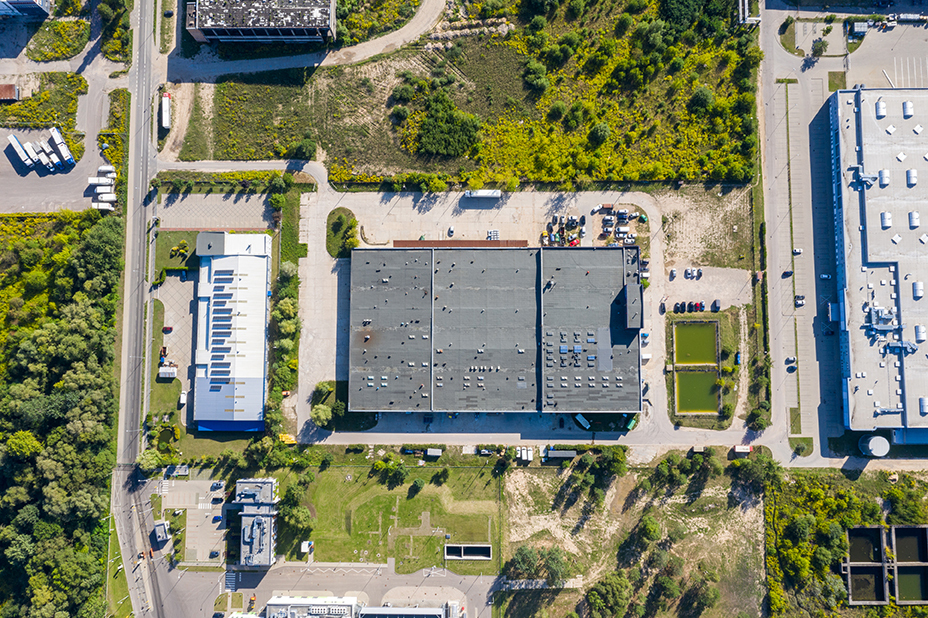
When to Choose Point-to-Point vs. Other Options
PtP is often well-suited for two fixed locations needing dedicated, high-performance connectivity. It functions as a backbone link, extending networks with target bandwidth, latency, and reliability based on design and site conditions.
Point-to-Point Is Often the Best Choice When…
Two fixed sites need a direct, continuous connection
Ideal for linking buildings, plants, substations, control rooms, or remote facilities without trenching fiber or copper.
Cabling is impractical, costly, or risky
Long distances, difficult terrain, road crossings, or environments prone to damage or vandalism make wireless PtP a smarter option.
High bandwidth and low latency are required
Well-designed PtP links support video surveillance, SCADA traffic, real-time monitoring, and data replication with consistent performance.
Reliability matters more than broad user access
PtP avoids the congestion and variability common in shared wireless or public networks.
When Another Option May Be a Better Fit...
- Wi-Fi is better suited for connecting many users or devices within a facility, providing flexible access for laptops, handhelds, and mobile equipment.
- Cellular networking works well for mobile assets, temporary sites, or locations without fixed infrastructure, especially where rapid deployment is needed.
- Wired fiber or Ethernet is often the gold standard when physical cabling is feasible and long-term permanence is required.
Often, the strongest networks combine these technologies, with PtP serving as the backbone feeding wired or wireless access layers.
Common Use Cases for Industrial Point-to-Point Networking
Industrial point-to-point networking is most often deployed where organizations need reliable, high-performance connectivity between fixed locations, without the cost, complexity, or delays associated with installing fiber or copper cabling. These links become an extension of the core network, delivering stable connectivity across distance and challenging environments.
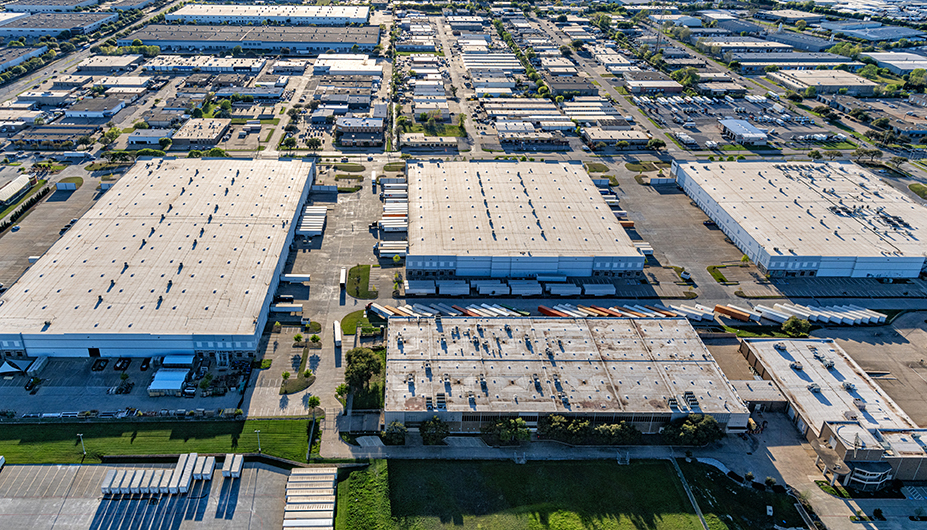
Multi-Building Campuses & Industrial Sites
Connect production plants, warehouses, offices, and control rooms without trenching fiber.
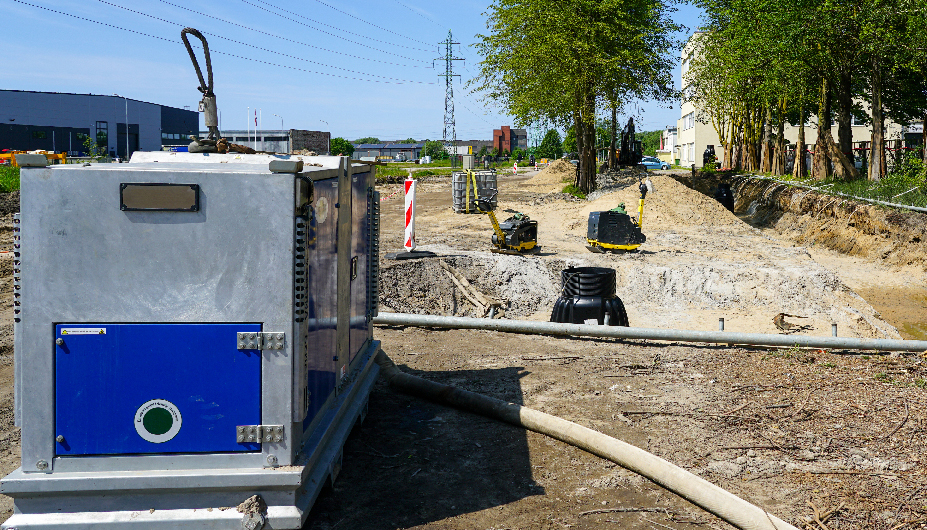
Remote Facilities & Critical Infrastructure Networks
Reliable links for substations, mines, pumping stations, or processing sites where cabling is cost-prohibitive.

Surveillance, SCADA & Industrial Data Networks
High-bandwidth, low-latency links for video, sensors, and control traffic without shared networks.

Temporary, Semi-Permanent & Hard-to-Wire Sites
Construction, pop-up, or semi-permanent facilities can deploy PtP quickly and reposition as needed.
Featured Manufacturers



How INS Supports Point-to-Point Network Deployments
INS approaches PtP as part of the full network, not just a standalone link. Every deployment begins with a site survey and network assessment, considering line-of-sight, terrain, environment, and spectrum regulations.
We source and integrate industrial-grade radios, antennas, mounting hardware, and surge protection for long-term reliability. INS handles implementation support and coordination, including mounting, alignment, commissioning, and integration with Ethernet, fiber, or hybrid backbones, as applicable. Each link is tested and optimized for throughput, latency, and reliability targets.
Post-deployment, INS provides ongoing maintenance, network management support, upgrades, and troubleshooting to help protect uptime, extend system life, and adapt the network as needs evolve.