
Industrial Industry
Midstream Oil & Gas
Reliable Connectivity Across Pipelines, Terminals & Distributed Energy Infrastructure
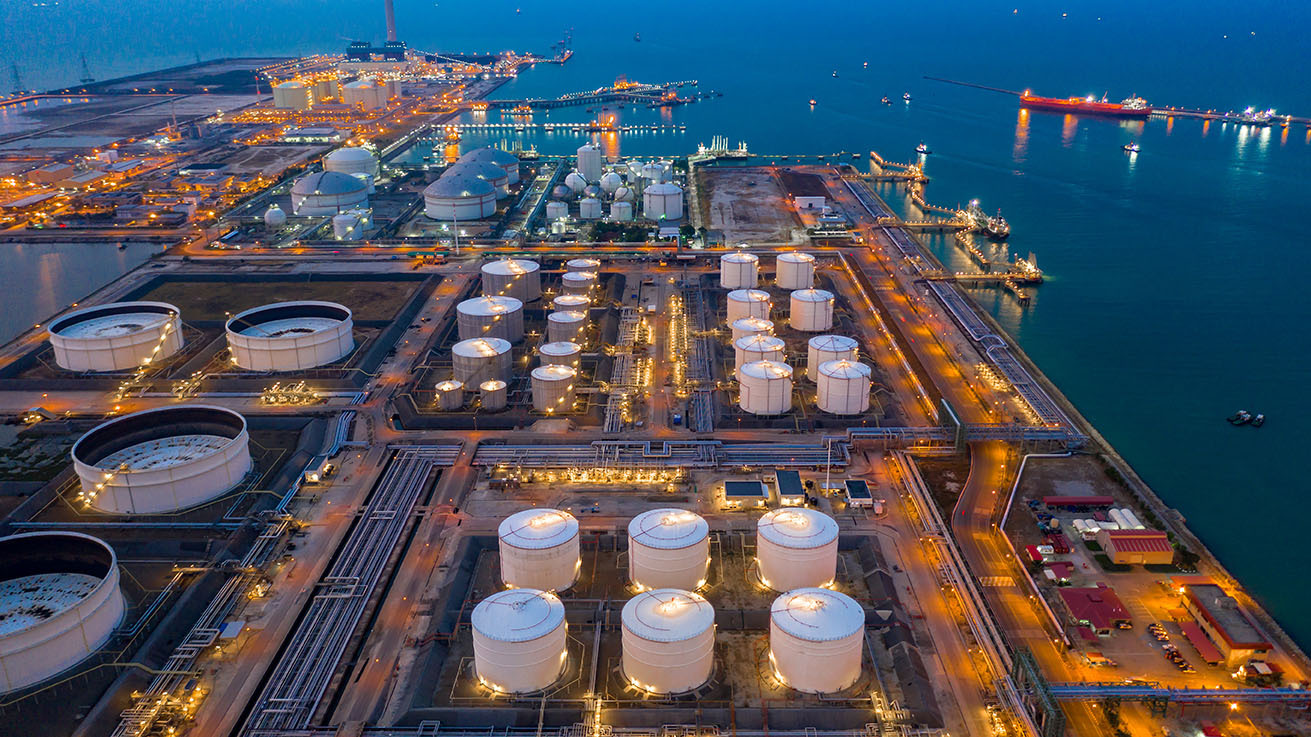
Midstream oil and gas operations depend on secure, high-availability network infrastructure to safely transport product, maintain asset integrity, and support real-time visibility across widely distributed systems. Critical assets like pipelines, terminals, and compressor stations require uninterrupted connectivity to support SCADA, alarms, and safety systems.
INS designs hybrid wired and wireless architectures purpose-built for midstream environments where communication must extend across remote terrain, withstand harsh environmental conditions, and support 24/7 operations. Our work helps midstream operators modernize legacy systems, strengthen cybersecurity, unify OT and IT data, and maintain reliable visibility across every point in the network.
Key Challenges in Midstream Oil & Gas Connectivity
Midstream networks span long geographic distances and include a wide range of unmanned, intermittently staffed, or remote assets. INS builds communication environments engineered to overcome these challenges while supporting safe, real-time pipeline and terminal operations.
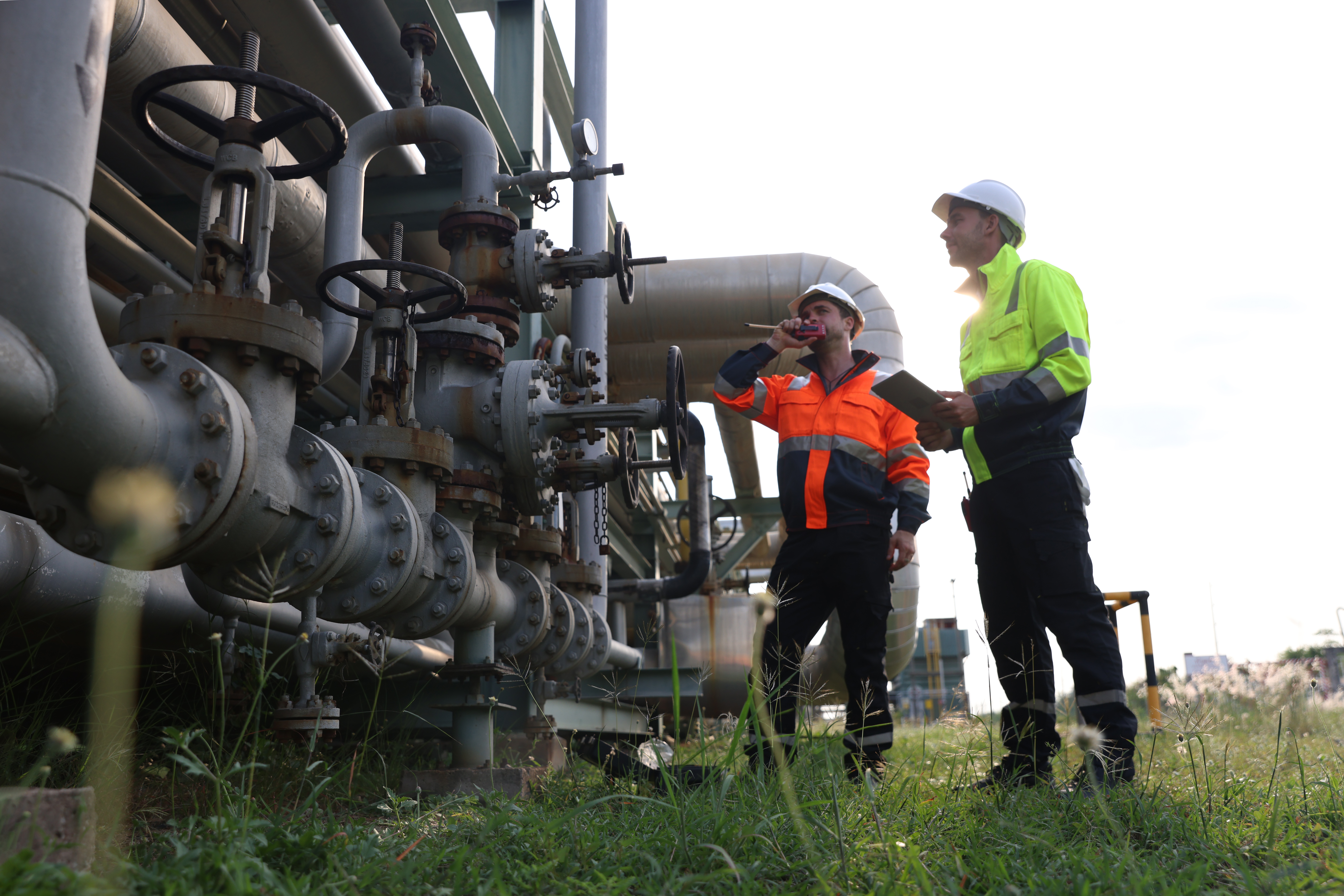
Pipeline systems often extend hundreds of miles across areas with limited infrastructure. Block-valve sites, compressor stations, remote ROW sensors, telemetry points, and unmanned facilities continue to depend on reliable communication to support SCADA, leak detection, alarms, and environmental monitoring.
INS designs long-range wireless backhaul and hybrid network topologies that extend connectivity well beyond fiber-access zones. These architectures keep telemetry and alarm visibility stable across entire pipeline corridors, regardless of terrain or distance
Midstream terminals and tank farms combine wide-area layouts with dense clusters of sensors and control devices. These facilities require connectivity for:
- Tank-level and inventory systems
- Pump and manifold controls
- Loading racks
- Safety and environmental monitoring systems
- Fleet and transportation coordination
- Perimeter and access systems
INS designs network architectures that support large-footprint facilities and maintain consistent visibility from perimeter assets to central control rooms.
Leak detection, pressure and flow monitoring, gas detection, cathodic protection telemetry, and ESD systems all depend on real-time data transport. Any delay or outage increases operational risk.
INS builds high-availability communication paths that support deterministic delivery of safety-critical data, even during equipment faults, backhaul disruptions, or extreme environmental conditions.
Midstream environments often combine decades-old SCADA hardware with modern IIoT devices and enterprise analytics. This expanded connectivity increases the attack surface, particularly across remote sites, vendor access, and distributed RTUs.
INS strengthens midstream cybersecurity through segmented OT environments, secure remote-access controls, continuous monitoring, and role-based access management. These controls protect pipeline and terminal operations while allowing data to move safely into enterprise systems.
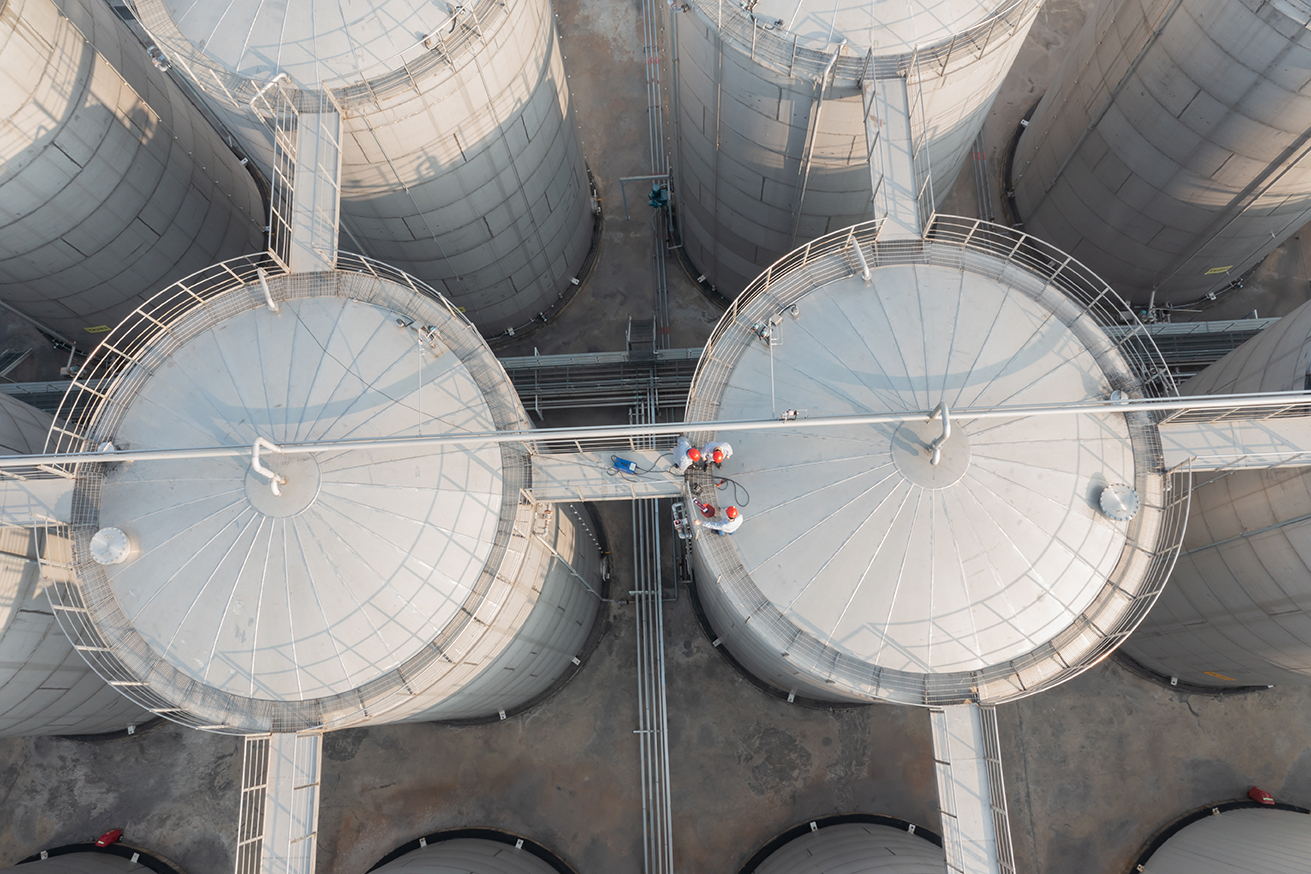
Midstream networks require the reliability of wired infrastructure combined with the reach of wireless connectivity. INS builds hybrid systems using hardened Ethernet infrastructure, redundant topologies for wired and wireless connectivity, and long-range links connecting pipeline corridors to central operations while supporting unmanned or temporary stations.
These architectures maintain consistent SCADA performance and operational awareness across both fixed facilities and remote field locations.
Midstream operators depend on strong wireless coverage for remote pipeline segments, transportation fleets, mobile field crews, terminal yard equipment, and telemetry units. INS leverages wireless technologies such as private 4G/5G, industrial Wi-Fi, and satellite connectivity based on terrain, distance, and operational demands to maintain visibility where fiber cannot reach.
INS designs networks that support real-time pipeline integrity analytics, leak detection systems, remote sensor networks, flow and pressure telemetry, and distributed edge processing. These environments enable faster detection, quicker response, and stronger protection of people, assets, and the environment.
This data-ready foundation supports advanced analytics and edge computing deployments across midstream operations.
Pipelines and terminals require secure, segmented communication that protects control systems without disrupting operations. INS implements OT network segmentation, access controls, intrusion monitoring, and secure remote connectivity as part of network configuration and installation, ensuring security is built into the infrastructure from the start.
Why Choose INS for Your Midstream Network Infrastructure
Midstream operators rely on INS because we design networks for real-world pipeline and terminal environments. INS offers:
Deep experience supporting pipeline corridors, tank farms, storage terminals, and transportation fleets
Engineers skilled in SCADA, telemetry, RTUs, IIoT sensors, and integrity-monitoring systems
Expertise in wireless-forward and hybrid long-distance connectivity
Lifecycle services covering design, deployment, commissioning, and long-term optimization
Vendor-neutral integration across diverse OT platforms and communications equipment
Experience drawn from rugged, distributed sectors including utilities, mining, and water and wastewater
Pipeline & Terminal Expertise
SCADA & Integrity Engineering
Long-Distance Network Architecture
End-to-End Lifecycle Services
Vendor-Neutral OT Integration
Distributed Sector Experience
INS delivers midstream network environments built for safety, durability, and long-term reliability.
INS Midstream Oil & Gas OT Services Customers Include:








Talk to Us About Your Midstream Network Infrastructure
Whether you are expanding wireless coverage across pipeline corridors, improving SCADA visibility at terminals, modernizing aging telemetry networks, or supporting real-time integrity monitoring, INS can design a resilient communications architecture for your operational footprint.