
Industrial Industry
ITS & Transportation
Reliable, Scalable Connectivity for Freight Terminals, Logistics Hubs & Transportation Infrastructure
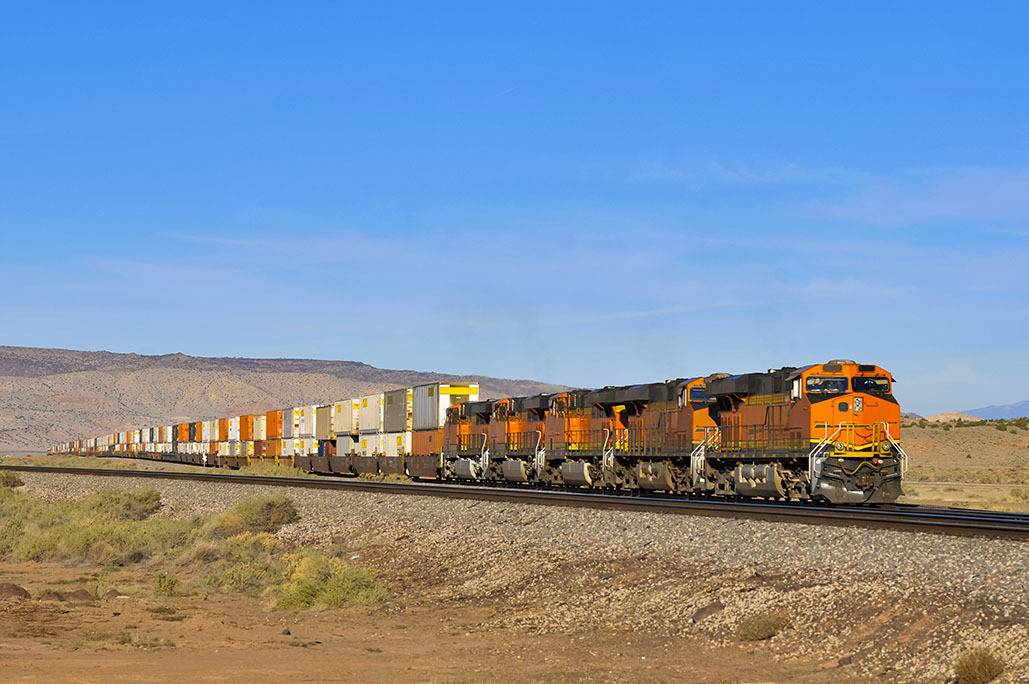
Modern transport and logistics operations depend on secure, high-availability network infrastructure to keep goods moving, connect fleets, automate yards, and maintain real-time visibility across large operational footprints. From freight terminals and warehouses to vehicle fleets, rail yards, and long-distance freight corridors, every part of the transport ecosystem relies on resilient, predictable connectivity.
INS designs and supports hybrid wired and wireless network architectures built for the mobility, coverage, safety, and uptime demands of transportation environments. Our solutions help operators improve logistics efficiency, strengthen real-time visibility, secure OT and IT systems, and modernize digital transport infrastructure with confidence.
Key Challenges in Transport & Logistics Network Infrastructure
Transport and logistics networks span broad geographies, integrate diverse asset types, and operate under constant pressure to reduce delays and increase throughput. INS builds network environments that support safe, continuous, real-time operations across these complex systems.
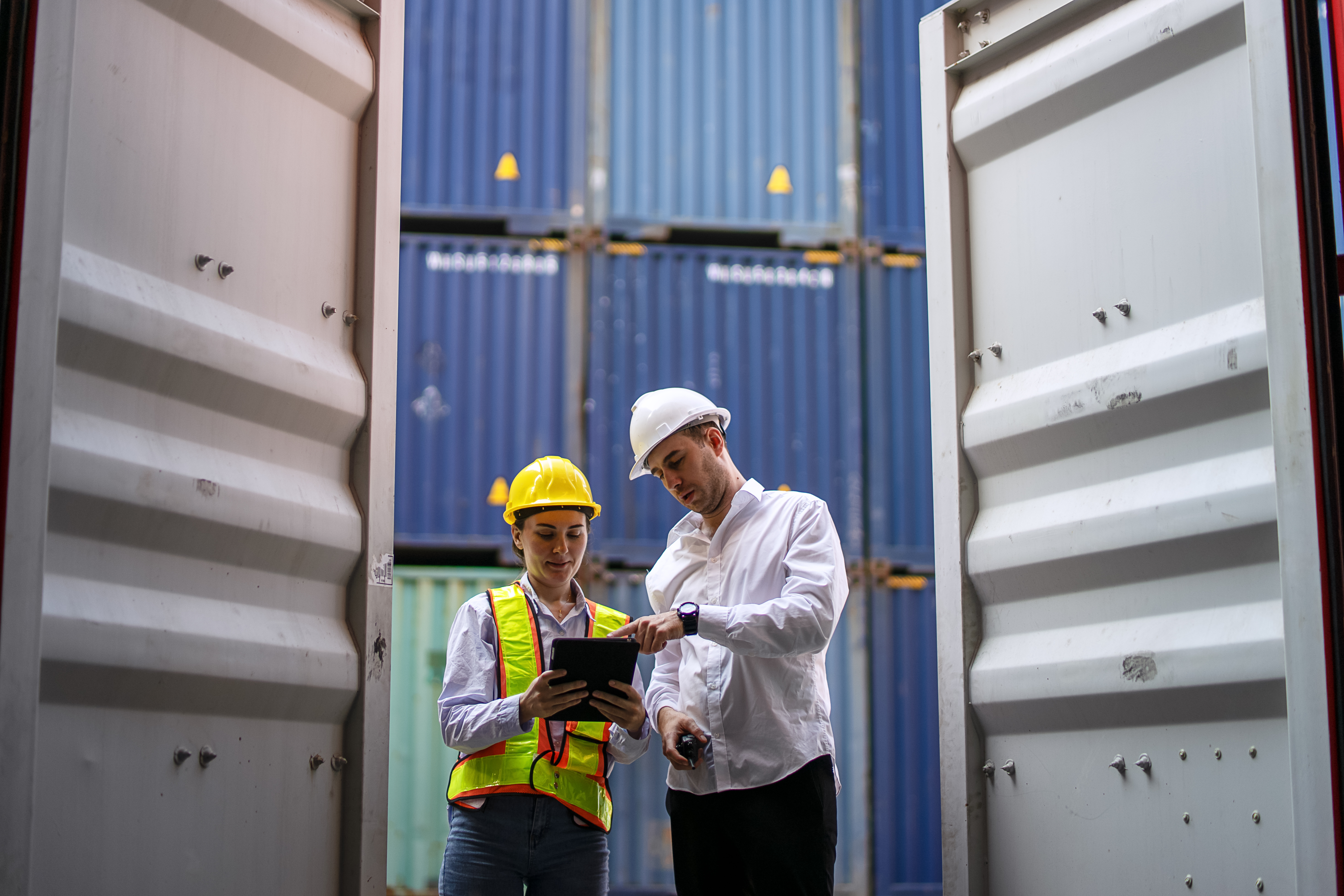
Transport operations extend across freight terminals, warehouses, distribution centers, rail yards, intermodal facilities, vehicle fleets, and long freight corridors with remote waypoints. Each environment presents different constraints around power, mounting options, RF interference, and physical security, yet all must operate as part of a unified network.
INS designs architectures that combine wide-area wireless coverage for moving assets with robust wired backbones inside fixed facilities. These networks maintain consistent connectivity across distributed zones and unify fleets, terminals, and yards into a single operational view.
Real-time visibility is now a baseline expectation in logistics. Fleet telemetry, GPS tracking, connected-vehicle systems, warehouse sensors, IIoT devices, and yard analytics all rely on low-latency, uninterrupted communication. As trucks, railcars, yard equipment, and handheld devices move between facilities and coverage zones, the network must keep data flowing without interruption.
INS builds rugged wireless-forward environments supporting seamless telemetry and predictable data delivery across both mobile and fixed assets.
Network interruptions in transport environments cascade quickly, disrupting freight movement, delaying appointments, and impacting safety. Dispatch systems, routing platforms, gate automation, yard-management systems, and security infrastructure all require stable, high-availability connectivity.
INS designs resilient architectures with redundant core paths, rapid failover, and reliable wireless handoffs across large outdoor operational areas. These designs protect mission-critical logistics applications under constant movement and heavy utilization.
Transport infrastructure continues to adopt smart-logistics capabilities, including IoT-enabled yard operations, edge analytics for freight optimization, warehouse automation, and deeply integrated TMS and WMS platforms. Many facilities still rely on legacy OT equipment that must remain operational during modernization.
INS designs segmented network environments that integrate legacy control systems with modern enterprise platforms while preserving reliability and security across both domains.
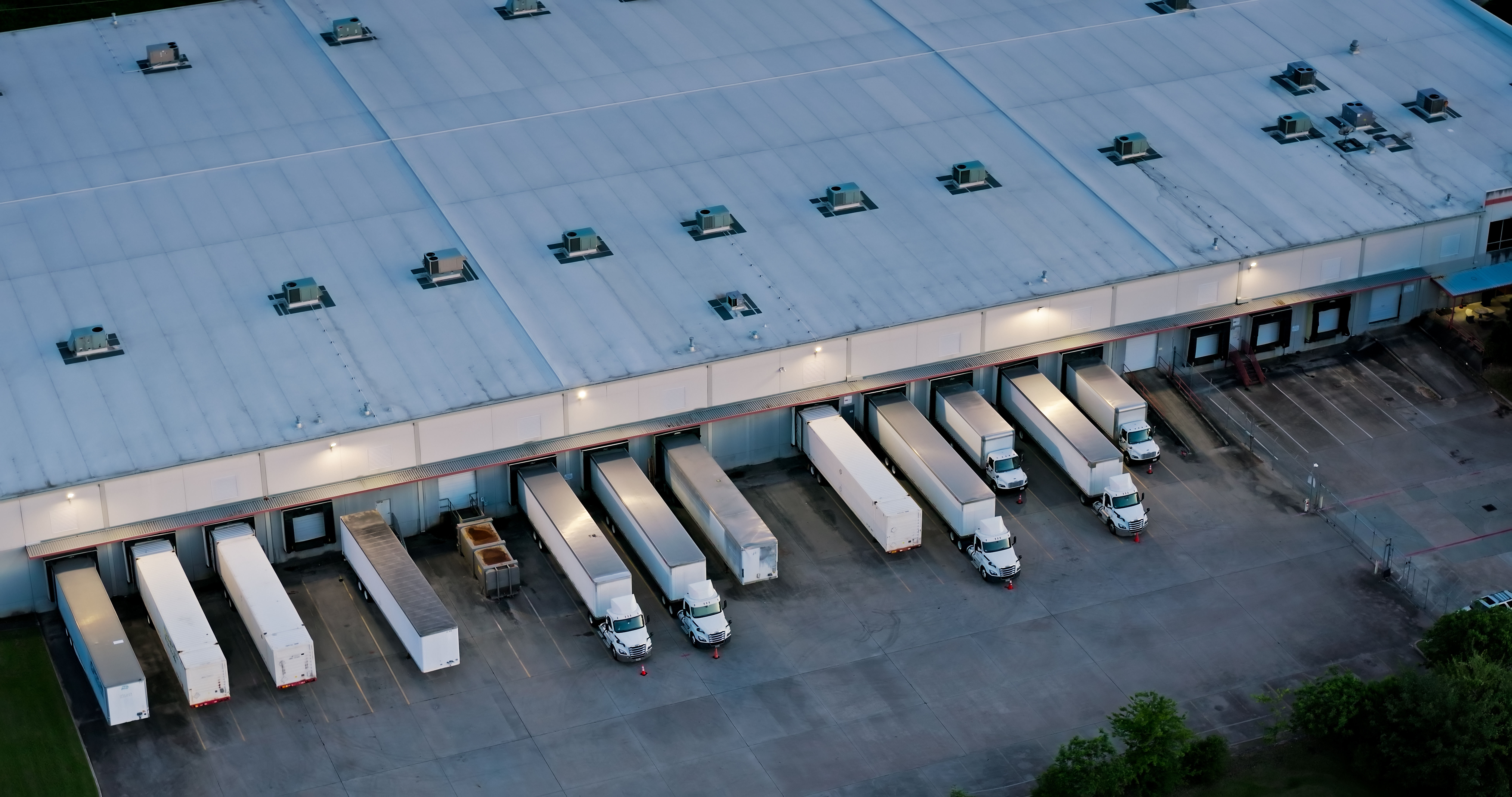
INS designs high-availability architectures that unify:
- Wired Ethernet backbones in warehouses and terminals
- Wireless coverage for yards, cranes, and mobile equipment
- Fleet telemetry and vehicle-to-infrastructure connectivity
- Backhaul links across large freight corridors
These hybrid designs provide consistent visibility across both fixed facilities and moving transportation assets.
Modern logistics depends on reliable IIoT data and telemetry. INS builds infrastructure that supports:
- Cargo and yard-monitoring sensors
- Fleet GPS and telematics
- Connected-vehicle and driver-assist systems
- Real-time warehouse and terminal analytics
Accurate, low-latency data exchange improves safety, optimizes yard flow, and increases asset utilization, with edge computing supporting faster insights where connectivity spans large areas.
Transport networks must support uninterrupted operation for dispatch systems, compliance platforms, yard automation, access control, surveillance, and environmental monitoring. Any instability impacts throughput, safety, and customer commitments.
INS designs resilient topologies with redundancy at the core, segmentation that isolates faults, and hardened outdoor-rated devices suited for demanding environments. These networks are deployed through structured OT network configuration & installation practices to ensure long-term reliability.
Next-generation logistics platforms require networks capable of supporting:
- Private 4G and 5G for yards and fleets
- WiFi 6 and 7 for dense warehouse automation
- Latency-sensitive applications
- Multi-terminal and multi-facility expansion
- Connected-vehicle and smart-corridor systems
INS designs architectures that scale without forcing full redesigns, allowing operators to adopt new technologies as operations evolve.
Why Choose INS for Your Transport Network Infrastructure
Transport and logistics operators choose INS because we design networks for real-world mobility and scale. INS provides:
Experience supporting large-area logistics and transportation networks
Engineers skilled in OT systems, wireless coverage, and fleet connectivity
Expertise in hybrid wired and wireless architectures for complex environments
Lifecycle services across design, installation, commissioning, and long-term support
Vendor-neutral integration across logistics, terminal, fleet, and warehouse systems
Experience drawn from critical infrastructure sectors including ports, energy, and manufacturing
Logistics Expertise
OT & Connectivity
Hybrid Networks
Lifecycle Support
Vendor-Neutral Integration
Critical Infrastructure
INS delivers transport networks engineered for uptime, visibility, and sustained operational performance.
INS ITS & Transportation OT Services customers include:






Talk to Us About Your Transport Network Strategy
Whether your goals include improving fleet telemetry, modernizing terminal connectivity, supporting smart-corridor initiatives, or enabling next-generation logistics automation, INS can design a resilient network aligned with your operational and digital-transformation goals.