

Edge computing brings processing power closer to where data is generated, enabling faster decisions, reduced latency, and more resilient operations. In enterprise and industrial environments, edge computing supports real-time control, local analytics, and continued operation even when centralized systems or cloud connectivity are unavailable.
As operations expand across IIoT, automation, and distributed assets, relying solely on centralized data centers or cloud platforms is no longer sufficient. Edge computing enables organizations to process, filter, and act on data locally while still integrating with broader IT and OT systems.
INS designs and deploys edge computing solutions that align with network architecture, operational requirements, and long-term scalability.
What Is Edge Computing?
Edge computing is the practice of processing data close to its source rather than sending all information to a centralized data center or cloud. Edge systems may be deployed at machines, control panels, remote facilities, or on-site server rooms, allowing decisions to be made where latency, reliability, and context matter most.
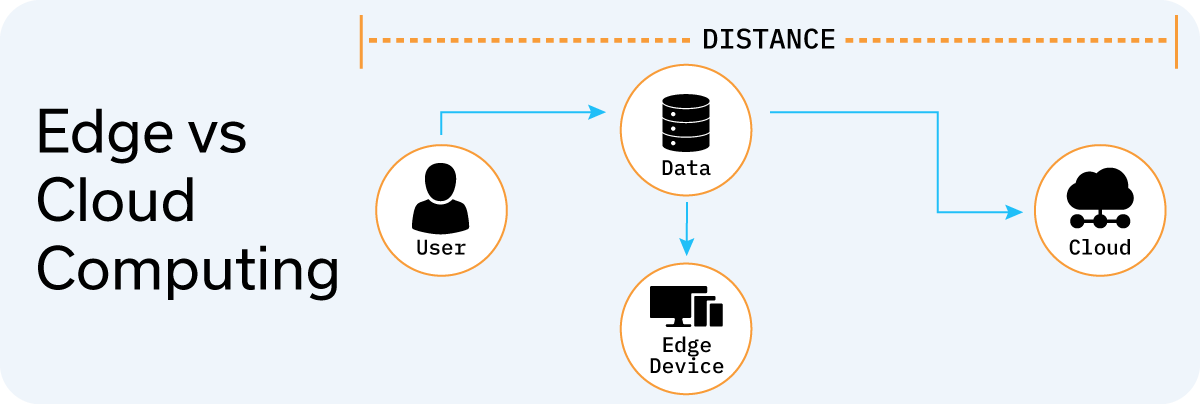
Compared to traditional cloud computing, edge computing reduces round-trip delays, lowers bandwidth consumption, and supports local autonomy. This is especially important for industrial automation, real-time analytics, and distributed operations where delays or connectivity loss can impact safety or performance.
Edge computing has become essential as organizations deploy more sensors, connected devices, and intelligent systems that generate high volumes of time-sensitive data.
Key Benefits of Edge Computing
Typical Use Cases for Edge Computing
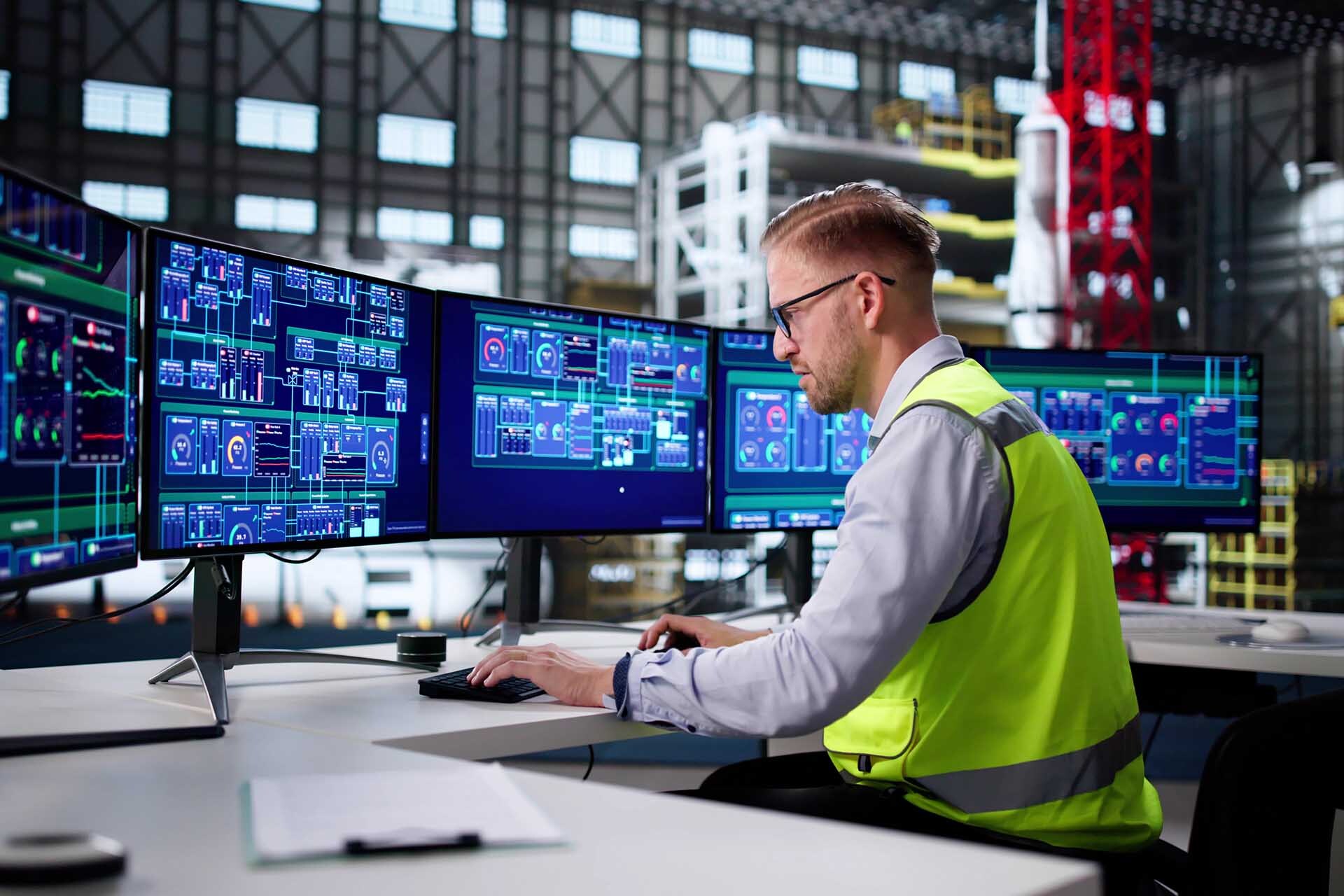
Industrial Automation and IIoT Systems
Edge computing supports real-time machine monitoring, predictive maintenance, and local control logic in modern smart industrial manufacturing and process environments.
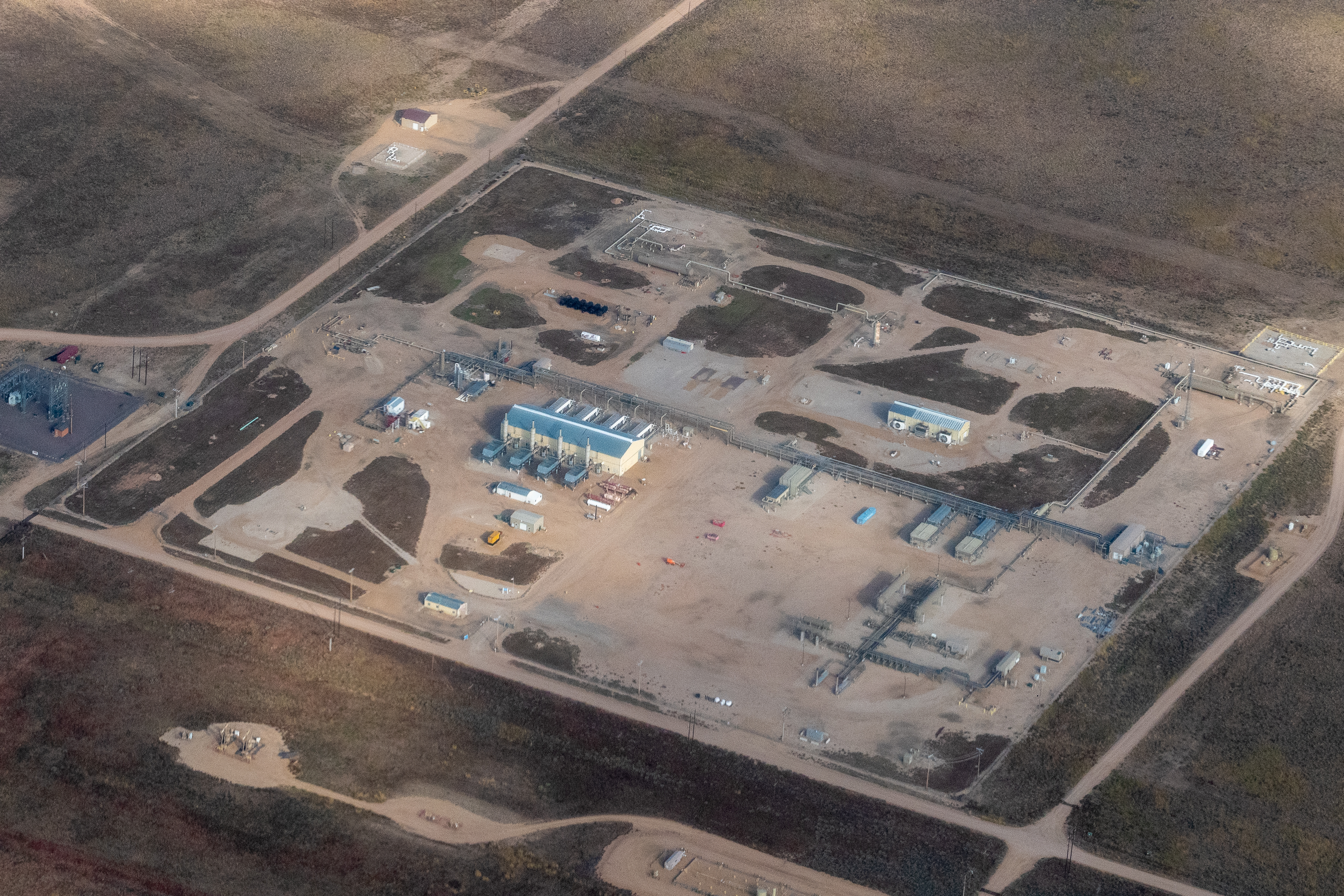
Remote and Hard-to-Reach Site Operations
Facilities with limited or unreliable connectivity, such as utilities, energy sites, or remote infrastructure, rely on edge compute for autonomous operation and local decision-making.
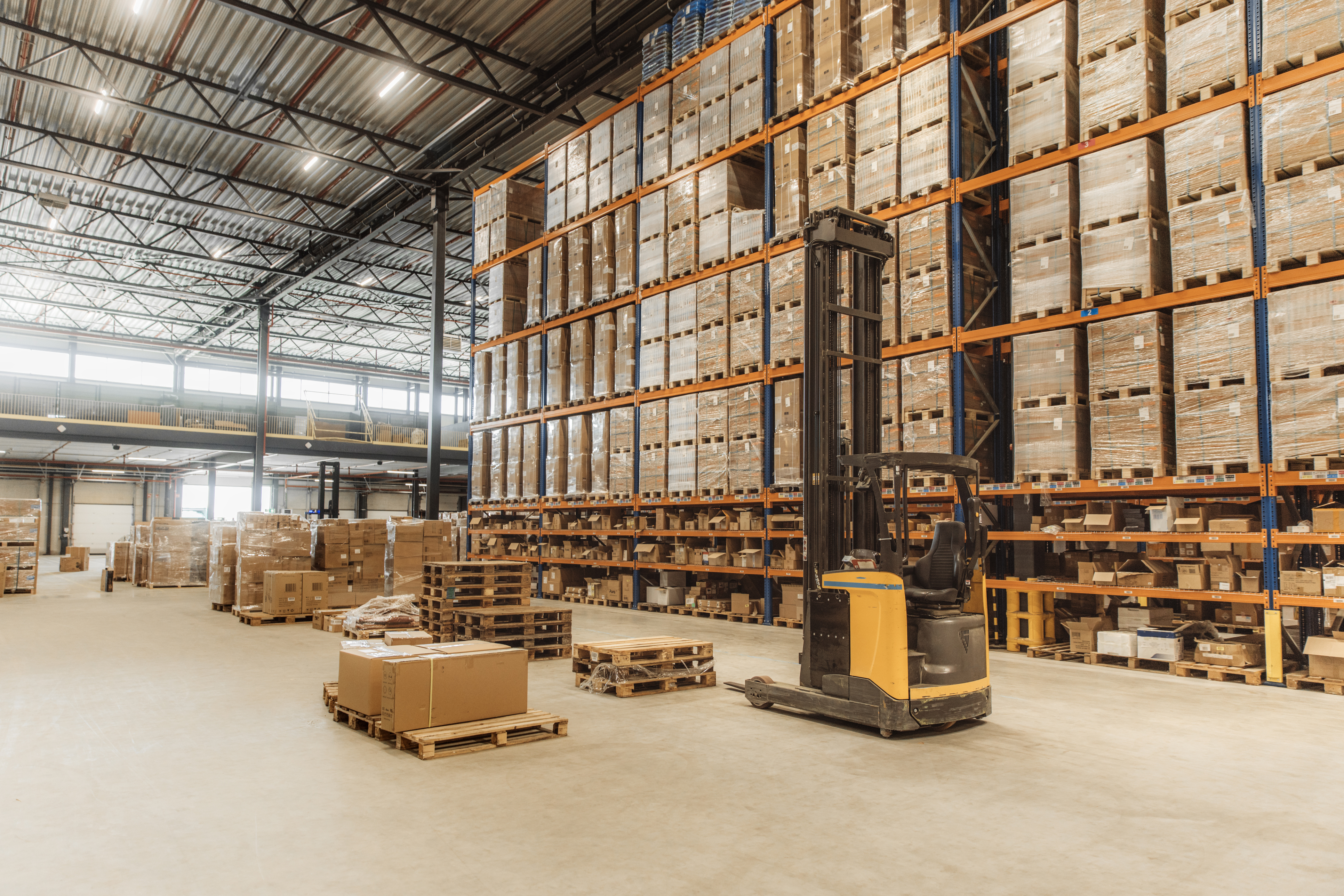
Distributed Facilities and Multi-Site Ops
Warehouses, logistics hubs, campuses, and branch locations benefit from localized edge data processing capabilities that significantly reduce dependence on centralized infrastructure.

Video, Analytics, and Bandwidth-Heavy Apps
Edge platforms are well-suited for video, analytics, sensor aggregation, and data-heavy workloads where latency and bandwidth constraints make cloud-only models impractical.
How INS Delivers Edge Computing Solutions
INS approaches edge computing as part of a broader network and systems architecture rather than a standalone deployment.
Engagements begin with assessment and planning to understand how data moves through the environment, where latency matters most, and what operational constraints exist. INS designs edge architectures that fit real-world conditions and support how systems actually operate.
INS then handles installation and commissioning, including edge software development and configuration, hardware deployment, network integration, and validation. This includes deploying containerized applications, configuring data processing logic, managing local databases, and integrating with enterprise or cloud platforms. Solutions are built to support secure edge-to-cloud or edge-to-enterprise data pipelines while maintaining local autonomy.
Ongoing support includes software lifecycle management, patching, version control, remote monitoring, and performance optimization to ensure edge platforms remain secure, stable, and aligned with evolving operational requirements.
Deployment Considerations and Best Practices
Effective edge computing deployments require careful planning beyond hardware selection.
Organizations must define which data should remain local versus what is transmitted upstream. Environmental conditions often dictate the need for ruggedized hardware or protected enclosures. Redundancy and failover planning are critical to avoid single points of failure.
Security and access control must be addressed at the edge, including authentication, encryption, and monitoring. Edge devices should be managed as part of a broader industrial cybersecurity strategy rather than treated as isolated assets.

Featured Manufacturers and Edge Hardware Partners
INS works with trusted hardware and platform providers offering industrial-grade edge servers, gateways, and compute platforms designed for reliability, environmental resilience, and long service life.
Vendor selection is driven by application requirements, environmental conditions, and integration needs rather than one-size-fits-all solutions.
Featured Services
Edge computing solutions are supported by INS services that ensure successful deployment and long-term operation, including:
- Front-End Engineering and Design
- Hardware Procurement and Pre-Configuration
- Installation and Commissioning
- Edge Network Integration and Connectivity
- Post-Deployment Support and Maintenance
Related Case Studies
Explore real-world examples where edge computing improved responsiveness, reduced downtime, and enabled resilient operations across industrial and enterprise environments.
Enable Real-Time Intelligence at the Edge
Edge computing empowers organizations to process data where it matters most. INS helps design and deploy edge solutions that balance performance, resilience, and integration across connected systems.