
Enterprise Industry
Advertising & Digital Media Network Solutions
Scalable, Reliable Connectivity for Every Screen, Venue, and Device

In advertising and digital media, every screen, every display, and every delay matters. Blank screens mean lost impressions, stalled campaigns, and missed revenue. The networks powering digital signage, commerce media networks, retail displays, and out-of-home advertising are no longer “supporting IT,” they are central to campaign success. INS designs and manages networks that are built to help content reach distributed endpoints securely, reliably, and aligned to campaign and operational requirements.
From large-scale deployments across stadiums, retail locations, and public venues to remote digital signage, kiosks, and IoT sensor networks, INS provides advertising-focused network design, hybrid connectivity expertise, and managed services to maximize uptime, performance, and ROI.
Key Challenges in Advertising & Digital Media Network Infrastructure
Advertising networks face unique pressures that don’t appear in other verticals. Networks must support large numbers of endpoints spread across cities, stadiums, retail locations, and outdoor venues. Content delivery is mission-critical, downtime can be costly, and modern ad-tech workflows demand high-performance, low-latency networks.
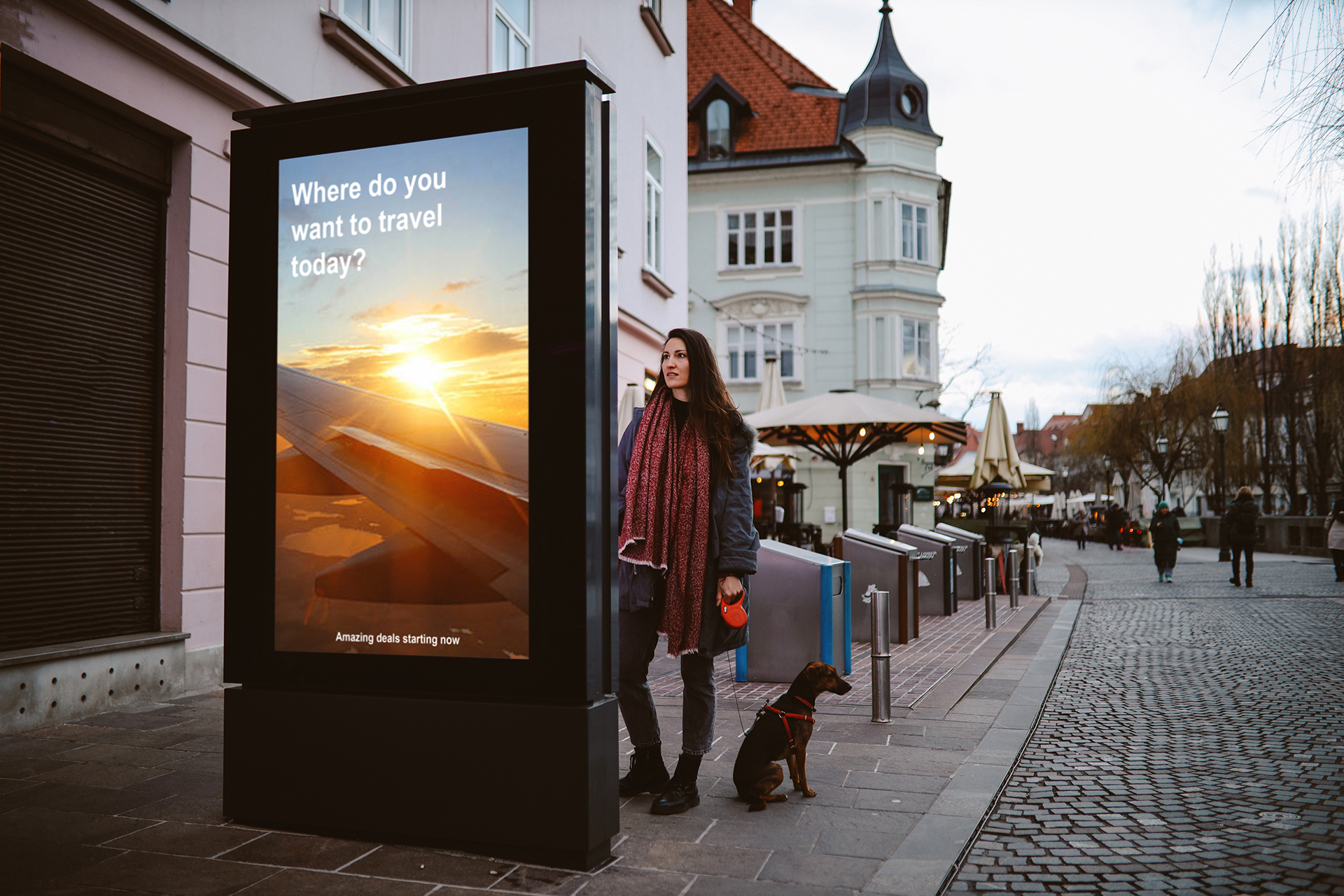
Advertising and digital media networks often span thousands of endpoints across multiple regions or cities. This includes:
- Digital signage in retail, stadiums, and public spaces
- Kiosks and interactive displays
- Edge devices and IoT sensors supporting analytics and interactivity
Each device must be reliably connected, remotely manageable, and configured to support uniform content delivery.
INS solves deployment complexity by:
- Developing standardized network configurations and deployment templates for rapid rollout
- Enabling remote provisioning, monitoring, and lifecycle management for every device
- Designing wired and wireless networks optimized for dense, multi-location installations
With the right network, media assets are delivered consistently, across diverse geographies and device densities.
Downtime in digital media networks is more than an IT issue; it’s a business problem. Every minute a screen is blank represents lost impressions, diminished ROI, and negative brand perception. Networks must guarantee high availability to protect both revenue and reputation.
INS helps support content delivery continuity through:
- Redundant network paths and failover mechanisms
- Proactive monitoring with real-time alerts to detect and resolve issues quickly
- Traffic prioritization for mission-critical content and time-sensitive campaigns
Our approach reduces operational stress on in-house teams and helps keep campaigns running with fewer interruptions, building trust with clients and audiences.
Modern media networks are rarely uniform. They combine:
- Wired backbones for high-throughput areas
- Wireless links for temporary or remote installations
- Edge computing for local caching, analytics, or AI-driven advertising
- IoT sensors for interactive and environmental monitoring
INS designs networks that integrate these hybrid elements within a unified architecture. Edge nodes, for example, can process content locally to reduce latency and bandwidth usage, while remote endpoints remain manageable and secure.
Distributed media networks create multiple attack surfaces. Without robust security, devices are vulnerable to unauthorized access, firmware tampering, or content manipulation, which can damage brands and compromise campaigns.
INS strengthens network security by:
- Implementing segmentation for screens, IoT devices, guest WiFi, and operational systems
- Enforcing secure remote access and robust device authentication
- Managing firmware updates, patching, and endpoint lifecycle remotely
- Continuously monitoring network traffic and detecting anomalies
Secure networks protect both media content and operational workflows, giving teams confidence that campaigns run as planned and content integrity is maintained.
Advertising and digital media are undergoing rapid technological shifts. Commerce media networks (CMNs), programmatic digital out-of-home (DOOH), and real-time content updates create unprecedented network demands.
INS prepares networks for the future by:
- Supporting high-volume, low-latency data delivery for live ad feeds and interactive experiences
- Designing networks capable of scaling as new ad-tech workflows, endpoints, or venues are added
- Enabling analytics collection and AI-driven content delivery while maintaining performance and reliability targets
- Designing to support programmatic advertising and dynamic content updates
With flexible, forward-looking designs, media networks become strategic assets instead of reactive infrastructure.
Network Connectivity Solutions for Advertising & Digital Media
To support the fast-paced, content-driven world of advertising and digital media, networks must do more than simply connect devices. They must enable business outcomes. INS designs and deploys end-to-end network solutions that keep media assets moving efficiently from content creation to every screen and device, ensuring campaigns are delivered on time, every time. Our approach combines high-performance infrastructure, hybrid wired/wireless connectivity, edge computing, and remote management to provide a cohesive, resilient network tailored to advertising operations.

Managing thousands of digital endpoints across multiple locations requires a network that is both scalable and repeatable. INS designs media networks with standardized templates, centralized provisioning, and modular infrastructure that allows:
- Rapid deployment of new screens and kiosks without heavy on-site IT presence.
- Multi-location rollouts with consistent configurations for simplified management.
- Flexible capacity planning, supporting future growth and technology upgrades without costly overhauls.
This approach reduces operational overhead and helps marketing campaigns scale quickly, keeping pace with business expansion and evolving media requirements.
In advertising, every outage translates to lost impressions and revenue. INS builds networks with redundancy and failover mechanisms to support high availability and reduce interruption risk.
- Redundant pathways and backbone links to prevent single points of failure.
- Real-time monitoring for early detection of connectivity issues or device failures.
- Traffic prioritization to ensure mission-critical content reaches endpoints even during network congestion.
These measures help support campaign performance, reduce risk to brand reputation, and provide confidence that media assets remain available across all locations.
Modern media deployments require a mix of connectivity options to balance performance and flexibility. INS integrates wired and wireless networks with edge computing capabilities to support:
- High-capacity wired backbones for central hubs or content servers.
- Wireless connections for remote, temporary, or outdoor screens.
- Edge computing nodes for local caching, analytics, or interactive content processing.
- IoT device integration for sensors, kiosks, and smart displays.
This hybrid approach supports smooth performance, low latency, and reliable connectivity for all media endpoints, based on site conditions and design requirements.
Distributed media networks present unique security and management challenges. INS ensures secure, remote-ready operations with solutions that:
- Segment networks for advertising devices, staff access, and guest connectivity.
- Provide centralized lifecycle management for devices, including provisioning, patching, and decommissioning.
- Enforce access controls and monitoring to help protect content integrity and reduce the risk of unauthorized usage.
- Enable secure remote troubleshooting to reduce onsite support needs.
By helping protect media assets and simplifying management at scale, networks can support ambitious campaigns without putting an operational or security burden on IT teams.
The advertising industry is evolving rapidly with commerce media networks, programmatic DOOH, and interactive digital signage. INS designs networks for scalability and adaptability in media environments, including:
- Support for real-time content updates across multiple screens.
- Integration with ad-tech platforms and analytics tools for data-driven campaign optimization.
- Flexibility for new device types and technologies, supporting smooth adoption without disrupting existing deployments.
- Network capacity to handle high-density media endpoints while maintaining low latency and high reliability.
This scalable, adaptable approach helps networks evolve alongside media trends, keeping campaigns agile, responsive, and impactful.
Why Choose INS for Your Advertising & Digital Media Network
INS brings industrial-grade networking expertise to the advertising and digital-media sector, delivering networks that are:
Our expertise includes:
Redundant designs and failover mechanisms designed to reduce interruptions to content delivery.
Modular architecture supports thousands of endpoints across multiple locations.
Segmentation, access control, and monitoring help protect content integrity.
Remote provisioning, monitoring, and lifecycle management simplify operations.
Networks designed to accommodate evolving ad-tech, commerce media networks, and interactive displays.
Reliable
Scalable
Secure
Managed
Future-Ready
Our experience in large-scale deployments, hybrid connectivity, and remote device management helps ensure your network not only supports current campaigns but scales to meet future media demands.
Talk to Us About Your Media Network Strategy
Your media network is the foundation of every advertising campaign, interactive display, and digital signage installation. INS helps organizations build scalable, secure, and reliable networks that deliver content consistently, help reduce the risk of lost impressions, and minimize operational complexity.