

Wireless connectivity is no longer just a convenience; it’s mission-critical for industrial and enterprise operations. From production floors to multi-site campuses and remote facilities, reliable wireless networks keep machines, control systems, and IT infrastructure seamlessly connected. Choosing the right technology (Wi-Fi, public or private cellular, or point-to-point links), is essential for operational continuity, security, and scalability.
INS helps you evaluate your options and implement solutions that fit your facility’s unique needs.
Overview of Wireless Networking Technologies
Wireless networks allow devices, systems, and personnel to communicate without relying solely on wired connections. They complement existing infrastructure, supporting integration with Ethernet, control systems, and cloud platforms. Combining wired reliability with wireless flexibility extends connectivity to mobile equipment, remote areas, or temporary facilities while maintaining performance.
A few key benefits of wireless networking:
- Mobility: Connect devices, vehicles, and robotics across your facility
- Scalability: Expand networks quickly without extensive cabling
- Rapid Deployment: Enable temporary or seasonal facilities and pilot lines fast
- Flexibility: Reconfigure production areas and adapt to operational changes
Common wireless technologies include:
- Wi-Fi Networking: High-density, enterprise-style coverage
- Public Cellular Networks: LTE/5G for wide-area connectivity and managed services
- Private Cellular Networks: Dedicated LTE/5G for industrial automation and mission-critical control
- Point-to-Point Networking: High-capacity, line-of-sight links for connecting facilities
Trying to decide which wireless option to choose?
Core Wireless Networking Technologies
Understanding the distinctions between technologies helps determine the best deployment option.
By evaluating your facility’s mobility needs, coverage area, performance requirements, and security priorities, you can determine the right technology or combination of technologies for your operations.
Why Wireless Connectivity Matters for Modern Operations
Modern industrial and enterprise operations require mobility, flexibility, and seamless integration. Wireless networks support:
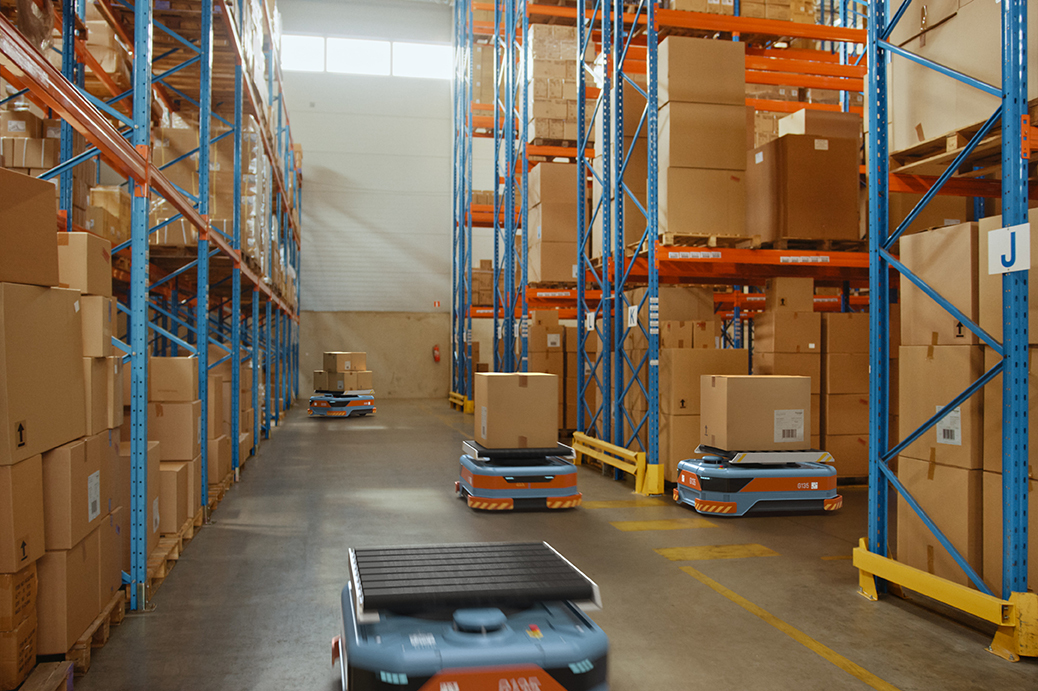
Mobile Systems
AGVs, mobile robots, handheld devices, and remote monitoring
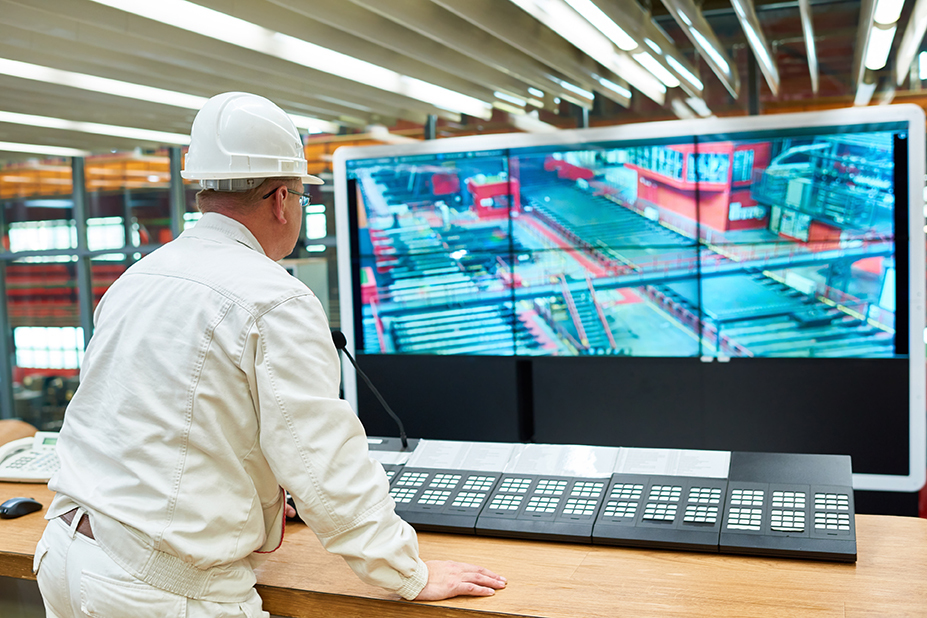
Connected Devices & Sensors
IIoT endpoints and monitoring equipment without extensive cabling
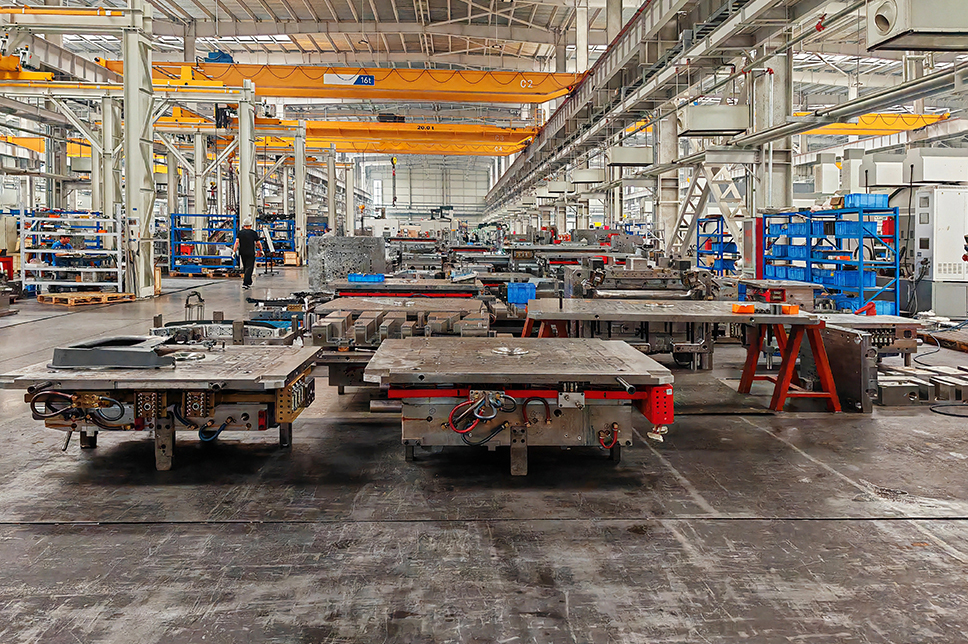
Dynamic Operations
Temporary facilities and reconfigurable production lines
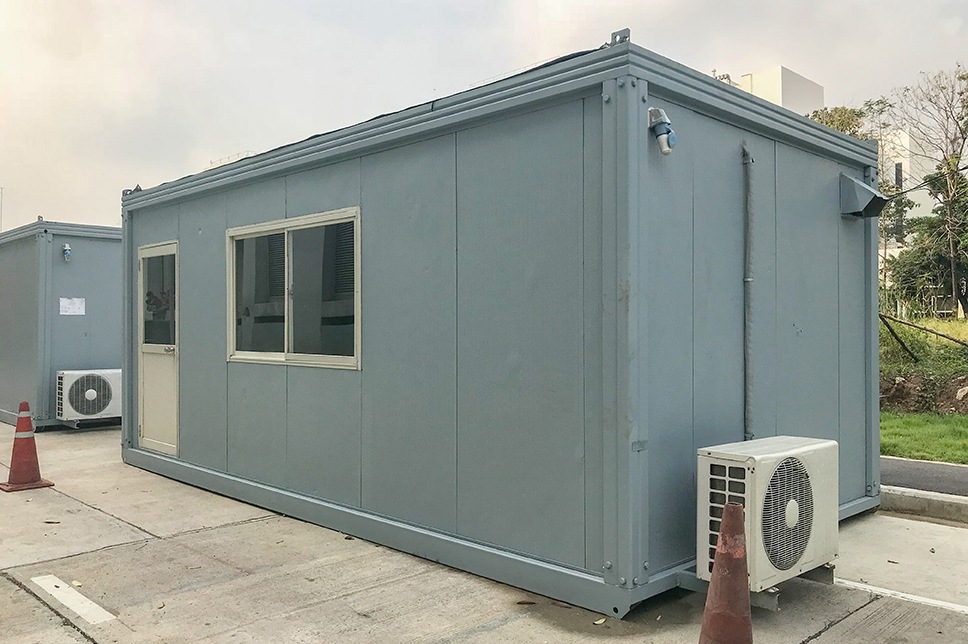
Bridging Wired Gaps
Remote buildings and offsite hubs without costly cabling
Strategic wireless integration improves flexibility, supports uptime, and helps keep critical systems connected.
Wireless vs. Wired: How They Work Together
Wired and wireless networks complement each other. Wired networks provide a stable backbone with predictable performance for core systems, while wireless extends coverage to mobile devices, temporary lines, and remote facilities.
Hybrid architectures deliver the best of both worlds. Many facilities leverage wired cores for reliability while using Wi-Fi, private cellular, or point-to-point links to provide flexible access. This approach supports:
- Mobile equipment on production floors
- Temporary or seasonal facility expansions
- Remote monitoring and IoT sensor networks
- Campus-wide or multi-building connectivity
High-bandwidth, latency-sensitive systems benefit from wired connections, while mobility and rapid scalability favor wireless. Hybrid design offers both reliability and flexibility.
Common Enterprise & Industrial Wireless Use Cases
Wireless networking is most valuable where mobility, flexibility, and rapid deployment are critical.
Mobile scanners, AGVs, and real-time inventory tracking
Sensors, robotics, and operator devices for scalable, reconfigurable production lines
Bridge buildings with Wi-Fi, point-to-point, or private cellular
Reliable connectivity without fiber or copper cabling
Quickly deployable networks for pop-up facilities or seasonal warehouses
Warehousing and Logistics
Manufacturing Environments
Campuses and Multi-Building Facilities
Remote Sites
Temporary Operations
By understanding these common use cases (among others), you can identify where wireless networks provide the most value and begin planning the right technology for your operations.
Featured Manufacturers
Wi-Fi


Public Cellular



Private Cellular


How INS Delivers Wireless Networking Solutions
INS provides end-to-end solutions, starting with assessments and RF planning, followed by network architecture, hardware selection, and installation. Our engineers integrate mobility, redundancy, and compatibility with existing infrastructure.
We guide hardware selection (access points, switches, antennas), matching performance, environmental, and security requirements. Once deployed, INS CARE provides ongoing monitoring, maintenance, and lifecycle services to help keep your network secure, scalable, and aligned with evolving needs.
Partner with INS to build a wireless network that connects people, devices, and systems reliably and flexibly.